
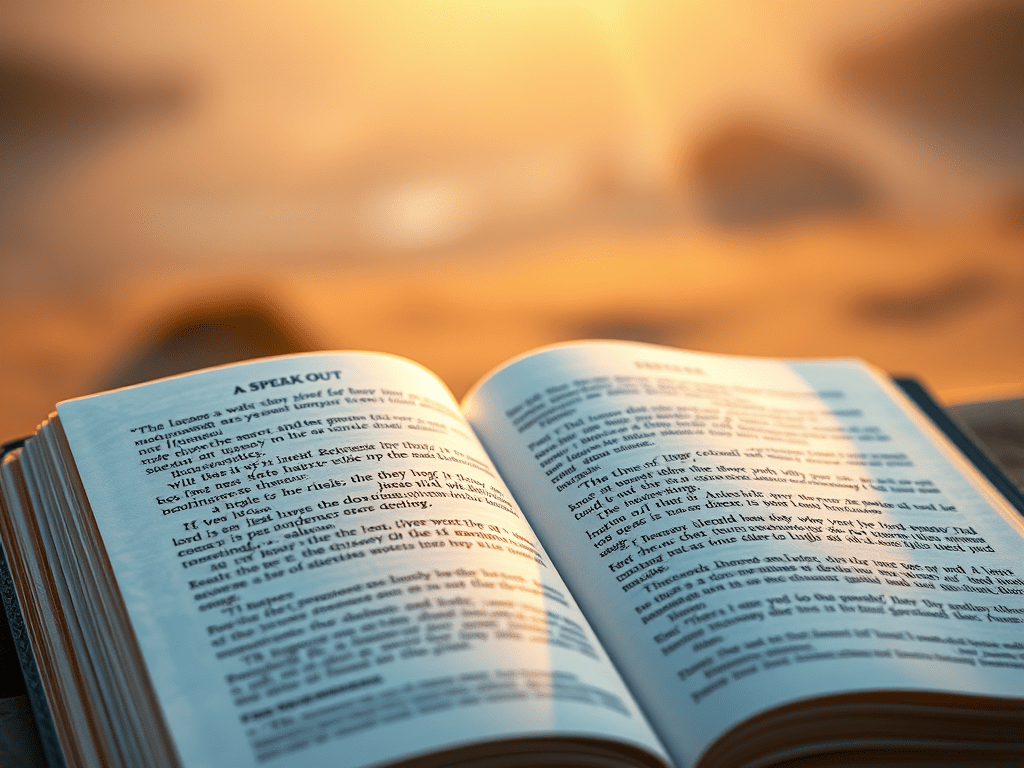
“For whatever was written in former days was written for our instruction, that through endurance and through the encouragement of the Scriptures we might have hope.” (Romans 15:4)
Enduring Wisdom from the Scriptures: Lessons for Today and Tomorrow
Finding Hope and Guidance Across Generations
If you’ve ever heard someone talk about “timeless wisdom,” they probably mean advice or lessons. These lessons always make sense, no matter how much time passes. The Bible—sometimes called the Scriptures—is full of this wisdom. It’s more than just a book of old stories or ancient laws. It’s a guidebook meant to help people, young and old, find their way through life’s ups and downs. It serves its purpose, generation after generation.
Why Read the Scriptures?
Romans 15:4 says: “For whatever was written in former days was written for our instruction, that through endurance and through the encouragement of the Scriptures we might have hope.” In other words, the Bible was written for people like us. Its teachings are there to help us learn. They are meant to encourage us. Most importantly, they give us hope—no matter what we’re facing today.
What Does “Sins of the Father” Really Mean?
Sometimes, you’ll hear the phrase “sins of the father.” This doesn’t mean God is looking to punish people for what someone else did. Instead, it’s about how our choices can affect those who come after us. Bad habits or mistakes can easily become family patterns if we’re not careful. If a parent makes poor choices, sometimes their children end up living with the fallout.
But the Bible is clear that everyone is responsible for their own choices. Deuteronomy 24:16 tells us: “Fathers shall not be put to death because of their children, nor shall children be put to death because of their fathers.” We aren’t automatically blamed for what our family did before us. But we should be aware that, unless we learn from the past, old problems can repeat themselves.
Passing Down the Good Stuff: Generational Wisdom
We inherit certain traits or traditions from our families. We also have the opportunity to pass on the best parts of what we’ve learned. The Scriptures encourage us to break harmful cycles. They also urge us to nurture habits and values that bless future generations. By embracing qualities like kindness, patience, integrity, and faith, we can set an example for those who come after us. The wisdom found in these ancient texts urges us to reflect on our lives. We need to make adjustments where needed. We should invest in the legacy that brings light rather than burden to our loved ones. In this way, the enduring counsel of the Bible becomes a living tradition. It doesn’t just belong to the past. It helps shape a more hopeful tomorrow.
Are We Doomed by Our Family’s Mistakes?
It’s natural to wonder if we’re destined to repeat the missteps of those who came before us. But the Scriptures offer reassurance and encouragement: we are not locked into the errors of our ancestors. The Bible’s overarching message is one of hope—God’s heart is always open to those who seek a different path. As Deuteronomy 5:9-10 illustrates, actions have consequences. Yet, God’s love and kindness extend to those who turn to Him. This is true regardless of their family’s past. In other words, your choices today matter more than any mistakes from yesterday.
We have the power to break destructive cycles and start anew. Through forgiveness and grace, we’re invited to leave behind what no longer serves us. We can start building healthier, stronger traditions for the generations that follow. The Bible isn’t just a record of what went wrong; it’s a roadmap for how we can make things right.
Learning from the Past, Living with Hope
“Ask the former generation and find out what their ancestors learned, for we were born only yesterday and know nothing, and our days on earth are but a shadow. Will they not instruct you and tell you? Will they not bring forth words from their understanding? (Job 8:8-10)
Scripture doesn’t ask us to ignore history or pretend old wounds don’t exist. Instead, it invites us to look back thoughtfully—to seek wisdom rather than to dwell on regret. As Job 8:8-10 encourages, there is value in listening to stories from ages past. We learn from both the triumphs and struggles of those who came before us. Their experiences become guideposts for our own journey.
“What has been will be again, what has been done will be done again; there is nothing new under the sun.” (Ecc. 1:9)
Ecclesiastes 1:9 reminds us that the challenges we’re facing aren’t entirely new. Others, in different times, have faced similar hurdles and found their way through. Their stories remind us that hope and change are always possible, no matter how longstanding a pattern might seem.
Takeaway: A Legacy of Hope
If you ever feel burdened by your family’s story or anxious about repeating old mistakes, remember: you are not alone. The wisdom of the Scriptures teaches us valuable lessons. We can learn from the past. We can let go of what holds us back. We can create new legacies rooted in faith, kindness, and hope. God’s promises stretch across generations, and the chance to start fresh is always within reach.
Let’s keep telling these stories. Let’s share what we’ve learned. We should build a heritage that offers hope. This way, those who come after us will inherit not just our struggles. They will also inherit our courage, resilience, and faith in a brighter tomorrow.

 afrancinegreen.com