
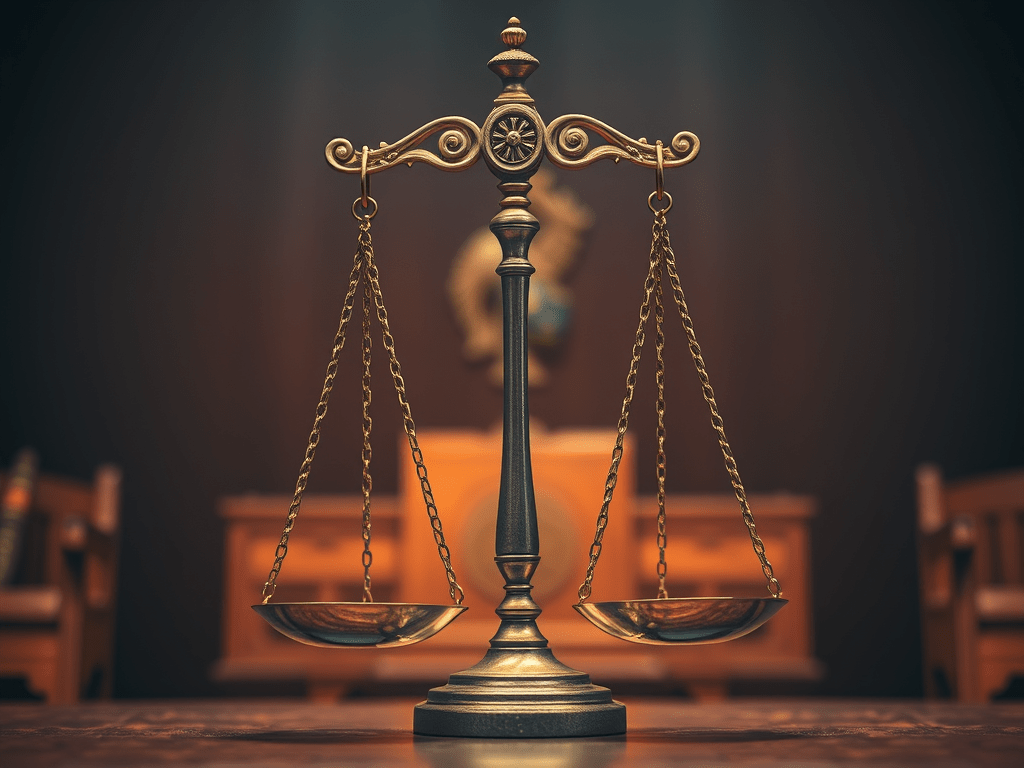
Justice and righteousness are the foundation of your throne. Love and faithfulness goes before you.
Justice, Righteousness, and Freedom: Pillars of a Harmonious Society
In the Bible, pillars hold significant symbolism and represent various meanings that carry spiritual significance. From the stories of Jacob setting up a pillar at Bethel to commemorate his encounter with God, to the pillars that stood in the temple as symbols of strength and stability, these structures are imbued with deeper meanings that resonate throughout scripture (Gen. 28:18-22). Join me as I delve into the biblical meaning of the pillar, exploring its significance as a symbol of God’s presence, guidance, and faithfulness in our lives.
In biblical literature, pillars hold significant symbolic meaning, often representing strength, stability, and the presence of God. They are frequently mentioned in both the Old and New Testaments, serving as physical and metaphorical markers of divine interaction and covenant.
Pillars as Symbols of God’s Presence
One of the most prominent examples of pillars symbolizing God’s presence is found in the Exodus narrative. As the Israelites journeyed from Egypt, God manifested Himself as a pillar of cloud by day and a pillar of fire by night to guide and protect them. Exodus 13:21-22 states, “And the LORD went before them in a pillar of cloud to guide their way by day, and in a pillar of fire to give them light by night, so that they could travel by day or night. Neither the pillar of cloud by day nor the pillar of fire by night left its place before the people.” These pillars were tangible signs of God’s guidance and protection, emphasizing His constant presence with His people.
Pillars as Memorials and Witnesses
Pillars also serve as memorials and witnesses to significant events and covenants. In Genesis 28:18-22, Jacob sets up a stone pillar at Bethel after his dream of the ladder reaching to heaven, marking the place where God reaffirmed His covenant with him. This act of setting up a pillar was a way to commemorate the divine encounter, and the promises made. Similarly, in Joshua 24:26-27, Joshua erects a large stone under an oak near the holy place of the LORD as a witness to the covenant between God and Israel, saying, “Behold, this stone shall be a witness against us, for it has heard all the words the LORD has spoken to us. So it shall be a witness against you, lest you deny your God.”
Pillars as Metaphors for People
In the New Testament, pillars are used metaphorically to describe individuals who provide support and uphold the truth of the Gospel. In Galatians 2:9, Paul refers to James, Cephas (Peter), and John as “pillars” of the church, recognizing their foundational role in the early Christian community. This metaphor highlights their strength, reliability, and leadership in maintaining the integrity of the faith.
Exploring the Interconnectedness and Essentiality of Core Human Values
Justice, righteousness, and freedom are foundational principles that underpin the fabric of a harmonious society. These values, interwoven through the epochs of history, continue to inspire the pursuit of a world that thrives on equity, moral virtue, and liberation. To understand their profound significance, it is essential to delve into their individual meanings, their interplay, and their collective impact on human existence.
The term “tsedaqah” primarily denotes righteousness and justice, often in the context of ethical conduct and moral integrity. It encompasses the idea of being in right relationship with God and others, fulfilling obligations, and living according to divine standards. In the Hebrew Bible, “tsedaqah” is frequently associated with God’s character and His expectations for His people to act justly and righteously. “He has told you, O mortal, what is good, and what does the Lord require of you
but to do justice and to love kindness and to walk humbly with your God”? (Micah 6:8).
Justice: The Equitable Balancer
Justice represents the ideal of fairness and impartiality in the treatment of individuals and the resolution of conflicts. Justice also refers to the fair and impartial application of laws, principles, and rules. Rooted in the quest for equity, justice seeks to ensure that every person receives their rightful due, whether it be protection under the law, access to opportunities, or the redress of grievances. The concept of justice has evolved through the ages, from its early codifications in ancient legal systems to its modern-day interpretations in human rights frameworks. “Justice, and only justice, you shall pursue, so that you may live and occupy the land that the Lord your God is giving you” (Deut. 16:20).
The essence of justice lies in its ability to balance competing interests and to uphold the dignity of all individuals. It is the cornerstone of a civilized society, where laws are enacted to safeguard the rights and liberties of citizens and to maintain social order. Justice demands accountability and transparency from those in power and provides a mechanism for the voiceless to be heard. In its truest form, justice transcends legalistic boundaries and encompasses a broader ethical dimension, advocating for what is right and just.
In part 2, I will share more on the importance of justice and righteousness as pillars of a just and harmonious society.
Blessing,
I pray that your love will overflow more and more, and that you will keep on growing in knowledge and understanding. For I want you to understand what really matters, so that you may live pure and blameless lives until the day of Christ’s return. May you always be filled with the fruit of your salvation—the righteous character produced in your life by Jesus Christ—for this will bring much glory and praise to God. (Phil. 1:9-11 NLT).
Minister A. Francine Green
Notes:
All Scripture references are taken from the New Revised Standard Version Updated Edition (NRSVUE) unless otherwise noted).
 afrancinegreen.com