
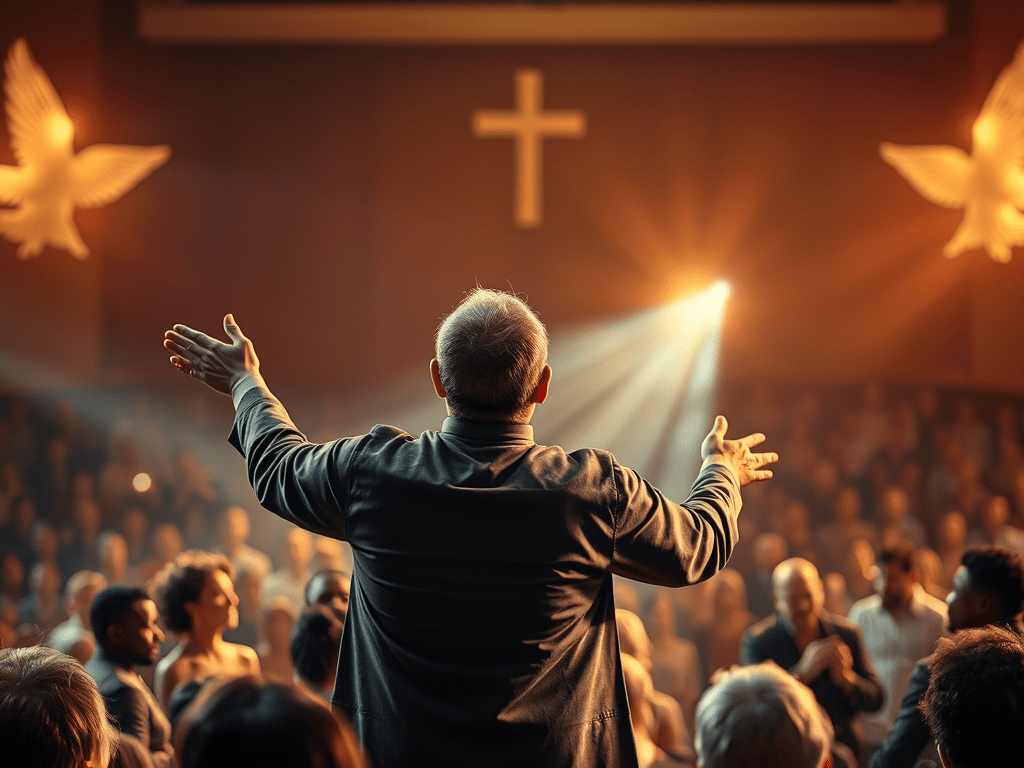
For the kingdom of God depends not on talk but on power (1 Cor. 4:20).
The Kingdom of God: Power Over Words
A Core Message from 1 Corinthians 4:20
The verse “the kingdom of God is not in word but in power” from 1 Corinthians 4:20 conveys a profound message. This message is profound. It conveys a deep truth. This verse conveys a significant message. This truth resonates deeply within Christian theology. The Apostle Paul penned this passage. It serves as a pivotal reminder of the divine essence. This essence transcends mere rhetoric and manifests through tangible acts of faith and spiritual authority.
Context and Significance
To fully grasp this message, you must understand its context. It is within the broader narrative of 1 Corinthians. Paul, addressing the church in Corinth, confronts issues of division, spiritual arrogance, and moral conduct. He challenges the believers to go beyond superficial displays of wisdom. He urges them to embrace the life-changing power that defines the kingdom of God.
Words, while powerful, can be fleeting and hollow if not accompanied by genuine action and divine intervention. Paul emphasizes that true Christian life is marked by the presence of the Holy Spirit. This presence brings the power to effect change, heal, and overcome obstacles. This concept highlights that faith should be shown through deeds. These deeds show God’s power at work in the lives of believers.
Power Manifested in Action
The kingdom of God, as articulated by Paul, is characterized by a dynamic and living force. It is not limited to verbal affirmations. It goes beyond theological discourse. It is revealed through the concrete actions motivated by faith. This power is obvious in various aspects of Christian life, including:
Miracles and Healings
Throughout the New Testament, miracles and healings serve as tangible expressions of God’s power. Jesus’ ministry was marked by many miraculous events, from turning water into wine to raising Lazarus from the dead. These acts were not just displays of supernatural ability but were manifestations of God’s kingdom breaking into the world.
Transformation of Lives
The life-changing power of the kingdom of God is seen in the lives of individuals who meet Christ. The conversion of Saul to Paul on the road to Damascus shows this power. There are many testimonies of believers who have experienced radical change. Through these stories, the power of God is demonstrated in the ability to renew and restore.
Spiritual Authority
Believers are endowed with spiritual authority to confront and overcome evil. This authority is not derived from human strength but from the indwelling presence of the Holy Spirit. Casting out demons shows the power of the kingdom of God. Boldly proclaiming the gospel also illustrates this power. The ability to withstand persecution further demonstrates the power that accompanies the kingdom of God.
Faith and Power
The relationship between faith and power is intrinsically linked. Faith is more than just intellectual assent to doctrinal truths. It is a living trust in God’s ability to act and intervene. When believers exercise faith, they tap into the divine power that surpasses human limitations. This power enables them to face challenges, carry out acts of service, and witness the reality of God’s kingdom.
Prayer as a Channel of Power
Prayer is a fundamental practice through which believers access the power of God. It is through prayer that they seek divine intervention, guidance, and strength. The prayers of the faithful have the ability to move mountains, heal the sick, and bring about miraculous changes.
The Role of the Holy Spirit
The Holy Spirit is the primary agent through which God’s power is manifested. The Spirit empowers believers to live according to God’s will. It equips them with gifts and abilities to serve the church and the world. The indwelling of the Holy Spirit is a hallmark of the kingdom of God. It signifies the presence of divine power within the believer.
Implications for Christian Living
The kingdom of God is not in word but in power. This understanding has profound implications for how Christians live their faith. It calls for a shift from passive belief to active demonstration. Believers are encouraged to:
- Engage in acts of service and charity, reflecting God’s love and power in the world.
- Seek the guidance and empowerment of the Holy Spirit in all aspects of life.
- Pray fervently, believing in the life-changing power of prayer.
- Live boldly and courageously, confident in the authority given by God.
Conclusion
The message of 1 Corinthians 4:20 challenges believers. It encourages them to consider the nature of their faith. It also focuses on the presence of God’s power in their lives. It is a call to move beyond mere words and to embrace the dynamic, life-changing power of God’s kingdom. As Christians live out this truth, they reveal God’s power through their actions. Their impact on the world is both profound and lasting.
“The kingdom of God is not in word but in power.” This serves as a timeless reminder of the vitality and dynamism of true faith. It encourages believers to seek God’s presence. They should show the life-changing power of His presence. By doing so, they make the kingdom of God a living reality in their lives and communities.
I pray that your journey be blessed with wisdom and grace.
Blessings,
Minister A. Francine Green
 afrancinegreen.com