
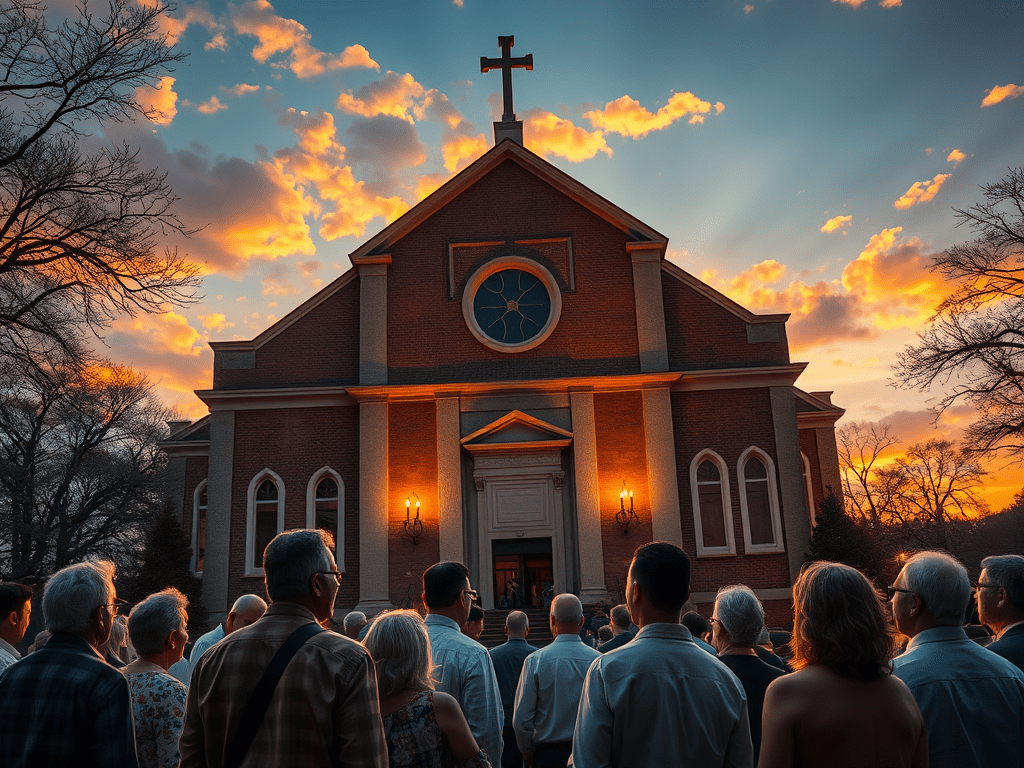
“The Lord reigns forever; he has established his throne for judgment. He rules the world in righteousness and judges the peoples with equity.” (Ps. 9:7-8)
Psalm 9 and the Call to Justice in a Changing World
Psalm 9:5 declares, “You have rebuked the nations. You have destroyed the wicked. You have blotted out their name forever and ever.” This verse encapsulates the profound assurance found within its context: that the justice of God triumphs over wickedness. It is more than a poetic reflection. It is a statement of conviction. YHWH is enthroned eternally. He acts as the righteous judge whose decrees echo through history. As Psalm 9 continues, it celebrates this divine justice. It affirms that God neither ignores the cries of the oppressed. He does not allow the wicked to persist unchecked. *“He judges the world with righteousness; he judges the peoples with equity” (Psalm 9:7–8). These verses are not just ancient declarations—they resonate deeply with the challenges facing the Church in the twenty-first century.
Justice and the Faithful
Throughout human history, the oppressed have turned to Psalm 9 and similar passages for solace and strength. Whether enduring tyranny, persecution, or systemic inequity, people of faith are reminded that God is neither indifferent nor distant. God is the creator and sustainer of covenant, who faithfully seeks to restore creation to justice and peace. This divine intent to “put the world to rights” drives the faithful. They explore their own roles in the unfolding narrative of justice. This is especially true in times of social upheaval and uncertainty.
The Church holds a unique position in this narrative. It stands as a witness to God’s justice. It is also an active participant in the world. Yet, the tension between submission and subversion presents a perennial dilemma. How should the Church relate to the empires, regimes, and democracies of its age? What does faithful submission look like in contrast to prophetic subversion? These questions are particularly pressing today. Our contemporary environment is characterized by shifting geopolitical alliances. It is marked by technological transformation and existential threats like climate change.
Challenges of the Twenty-First Century
The world today is a landscape of profound instability. Nations rise and fall, alliances fracture and reform, and the specter of war perpetually looms. Climate change threatens the delicate balance of ecosystems, bringing destruction and displacement to countless communities. Economies struggle with volatility, exacerbating inequality and poverty. Politically, the globe is divided: autocratic regimes gather power, while democratic nations face internal discord and fragmentation. It is a world of paradoxes, where progress and catastrophe coexist.
In this volatile environment, the Church can’t remain insular or apathetic. Its call to justice demands a theology and praxis that engage with the realities of this age. This requires discerning the role of faith communities across diverse contexts. These contexts range from technocratic regimes to fractured democracies. They also include emerging empires and struggling states. Christian faith is not practiced in a vacuum. It is lived amid the perils and temptations of specific political, social, and cultural climates.
Submission to Authority
Submission to authority, as articulated in Romans 13:1–7, reminds Christians of their duty to respect governing powers. These powers are instituted by God to uphold order and justice. Yet this submission is not blind allegiance. When governments embody righteousness, protect the vulnerable, and promote equity, the Church’s support aligns with its theological commitment to justice. In such cases, submission is an act of faith. It involves trusting that God works through human institutions. This faith sustains peace and prosperity.
Nonetheless, submission becomes problematic when authority strays into wickedness or oppression. The Church must ask: what happens when the rulers fail in their divine mandate? What occurs when they become agents of injustice rather than justice? Psalm 9 assures us that God rebukes nations and destroys the wicked, holding them accountable for their transgressions. In such moments, submission transforms into resistance.
Prophetic Subversion
Prophetic subversion is the Church’s response to injustice—a refusal to collude with systems that violate God’s righteousness. Faith communities have often stood against empires. They challenged rulers who defied divine justice. This subversion is not rebellion for its own sake. It is rooted in God’s covenantal faithfulness. The oppressed believe and cry out to a God who hears. This belief underlies the subversion.
Modern examples abound. Examples include the Church in South Africa during apartheid. There is also the Civil Rights Movement in the USA. Additionally, faith communities advocate for human rights in Myanmar and Venezuela. These moments of prophetic subversion show the Church’s capacity to challenge systems of injustice, even at great cost. As Psalm 9 reminds us, God’s justice prevails, even when the odds seem insurmountable.
The Church in a Pluralistic World
The practice of Christian faith demands contextual sensitivity. The Church’s response to injustice and inequity varies based on the specific challenges and opportunities within each nation. In China, believers navigate restrictions on religious expression while finding ways to bear witness to their faith. In Pakistan, Christians face persecution as a minority but remain steadfast in their commitment to justice. In Finland, the Church engages with secularism and advocates for environmental stewardship. Meanwhile, in the USA, faith communities grapple with polarization and systemic injustice, striving for reconciliation and equity.
This diversity in experiences underscores the importance of theological nuance. The Church can’t adopt a one-size-fits-all approach to submission or subversion. Instead, its orientation must emerge from prayerful discernment, informed by Scripture and attuned to the Spirit’s guidance.
Moving Forward
Psalm 9 challenges the Church to embrace its dual role as witness and participant in the pursuit of justice. Submission to authority requires vigilance and discernment, while prophetic subversion demands courage and sacrifice. Balancing these callings is no easy task, particularly in an age marked by immense social, economic, and political volatility.
The Church is facing emerging empires, technocratic regimes, and fractured democracies. It must stay rooted in its identity as the body of Christ. Its social action and political orientation should reflect the Kingdom values of justice, equity, and compassion. In doing so, the Church bears witness to the God who “sits enthroned forever” and “judges the peoples with equity.”
Psalm 9 reminds us that God’s justice is not a distant ideal; it is a life-changing reality. The Church is called to embody this reality in its worship, witness, and work. As the world changes, the Church must rise to the challenge. It must navigate the tensions between submission and subversion. Additionally, it should proclaim the hope found in God’s faithfulness. Throughout every age, God remains the righteous judge. God stands against every tide of wickedness. He is the defender of the oppressed and the sustainer of creation. The Church, in turn, is called to reflect this divine justice. It should offer light and hope to a world desperately in need.
May the love of God shine through us, bringing hope, healing, and transformation to those around us. Amen.
Minister A. Francine Green
 afrancinegreen.com