
A Reflection on the Beauty of Our Inner Potential
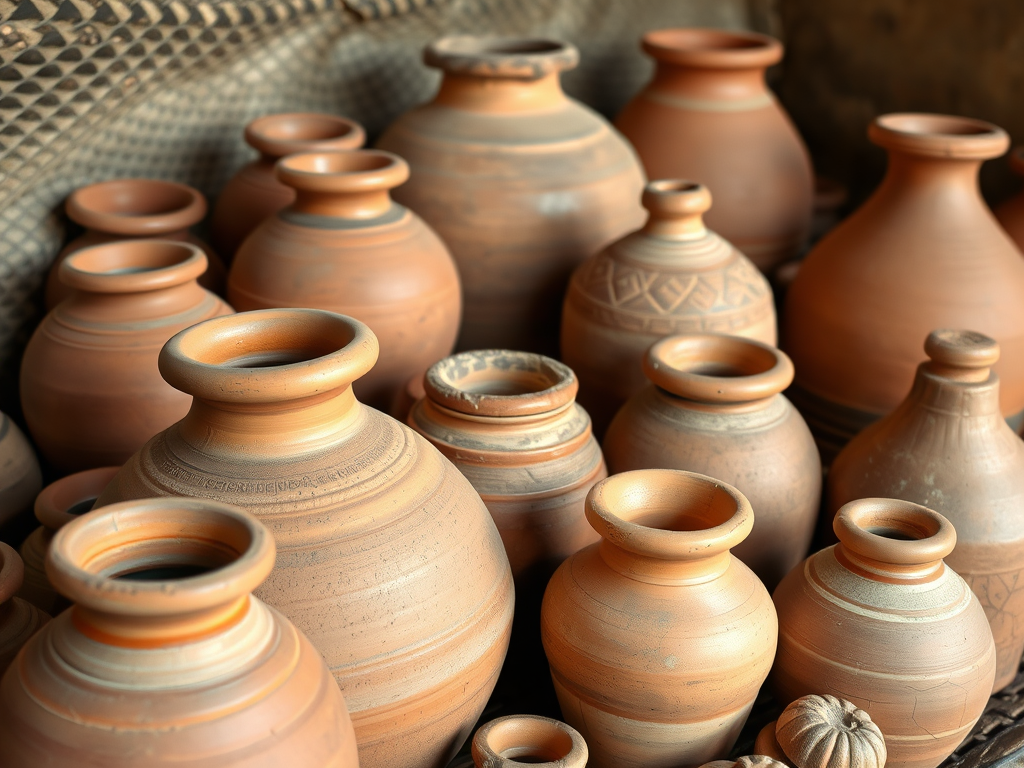
It’s easy to overlook the extraordinary when it’s wrapped in something ordinary. Think about a clay pot—simple, unassuming, and humble. Yet, within its fragile structure, it can hold valuable treasures that enrich and sustain life. This metaphor is deeply powerful when we think about ourselves as individuals. Each of us, regardless of appearance or status, carries within us something divine, something utterly magnificent waiting to be revealed. Just as treasures are hidden in clay pots, our inner potential is tucked inside the simplicity of our humanity. Our strength and our ability to connect with the divine are also there.
The Clay Pot Within
The metaphor of the clay pot is often used to symbolize the human experience. Clay pots are fragile and imperfect, much like we are. They can crack under pressure or show signs of wear over time. Yet, their purpose remains—holding, preserving, and sharing whatever is placed within them. Similarly, our human bodies, our minds, and our hearts might not embody perfection. Still, they serve as vessels for something far greater. These imperfections don’t define us; rather, they make room for the divine light to shine through.
Think about how flaws in a pot can allow light to filter through. Those imperfections do not diminish the beauty of the treasure. Instead, they create a connection between the treasure inside and the world outside. In the same way, our struggles, scars, and imperfections connect us with others. They allow us to share our stories. They invite others to witness the divine spark within us.
Unearthing the Treasure
So, how do we unearth this treasure within ourselves? It starts with recognizing that everyone has something valuable inside—something uniquely theirs, something that reflects the divine. The treasure might be an incredible talent. It could be a deep compassion or a knack for helping others. Alternatively, it might simply be the ability to bring joy into a room. But it’s not always easy to see it. Life often piles layers of doubt, fear, and struggles over our treasure, making it feel inaccessible.
Unearthing the divine within us requires patience, self-reflection, and, most importantly, faith. We must believe that, even when we feel like fragile clay pots, we still contain something sacred. There is something worth uncovering within us. Meditation can help us peel back those layers. Prayer or even quiet moments of gratitude can also reveal the beauty inside us. For some, it may be a journey of self-discovery through art, music, or service to others. For others, it may involve overcoming obstacles and learning that resilience itself is part of their treasure.
Sharing the Treasure
A treasure hidden forever benefits no one. Once we’ve unearthed the divine within, the next step is to share it. A clay pot pours out its contents. Similarly, we are meant to pour out our gifts, our kindness, and our love to the world around us. The act of sharing enriches both the giver and the receiver. It creates connections, fosters understanding, and spreads light in places that may have been dark.
Sharing our treasure doesn’t require monumental acts. It can be as simple as offering a smile. It may involve lending a helping hand. It could also be listening to someone who needs to be heard. These small moments have the power to ripple outward, changing lives in ways we may never realize. When our treasure flows freely, we invite others to see the divine in us. They may also see the divine in themselves.
The Divine Connection
Ultimately, the treasure within us is a reflection of the divine. You may view this divinity through spirituality, faith, or nature. You might see it as the marvel of human existence. It’s undeniable that there’s something profoundly special about the spark within. Recognizing this connection reminds us that we are part of a greater whole. We are involved in a larger story that is unfolding with every breath we take.
Seeing ourselves as clay pots holding divine treasures can transform the way we approach life. It can encourage humility, knowing that we are not perfect but still valuable. It can inspire confidence, understanding that our imperfections don’t diminish our worth but enhance our authenticity. And it can foster hope. It reminds us that even when life feels heavy, there’s something inside us that remains pure. This part of us is bright and untouchable.
Embracing the Beauty of Imperfection
The metaphor of the clay pot speaks to the beauty of imperfection. It’s not about pretending the cracks and flaws don’t exist; it’s about embracing them as part of our story. These imperfections make us human, relatable, and open to growth. They remind us that life is not about achieving perfection but about unfolding into our fullest potential.
A broken pot can still hold water. A chipped pot can still shine. Similarly, we can still carry our treasures despite our challenges. It’s often through these broken places that our greatest strengths emerge. The light shines through the cracks. It can be a beacon for others. It shows them that they, too, have treasures worth discovering.
Conclusion
Treasure in clay pots is a metaphor that speaks directly to the heart. It reminds us that we don’t need to be perfect to be valuable. Our humanity can coexist with the divine. Our imperfections can create beauty rather than diminish it. Unearthing the divine within us is a journey of self-discovery, faith, and courage. It is a journey that reminds us of our extraordinary potential despite our ordinary appearances.
Reflect on the treasure within your own clay pot. Remember that it’s not just for you. It’s meant to be shared. Let your light shine through the cracks, your gifts flow freely, and your story inspire others. The divine within you is waiting to be revealed. It is not just a treasure for your own life. It is also a blessing to the world around you.
Blessings,
Minister A. Francine Green
 afrancinegreen.com