
Understanding the Consequences of Exclusion for Society as a Whole
When you hear the phrase “We the People,” what comes to mind? For most, it suggests that everyone in a country or community is included. It means people are valued and have a say. It’s a phrase with big meaning, pointing to fairness, togetherness, and shared responsibility. But what happens when “We the People” isn’t really about everyone? What if it’s just about one group, especially one ethnicity, while others are left out? Let’s explain, in simple terms, what happens when a society includes only one group. It excludes others from the idea of who “the people” are.
What Does “We the People” Really Mean?
“We the People” is supposed to be a catch-all, including everyone who lives in a country, no matter their background. It’s the opening statement of the U.S. Constitution. The idea is bigger than just one document or even one country. It’s about belonging, shared power, and being part of the decisions that shape our lives.
If “We the People” is used the way it’s meant to be, it means everyone’s voice counts. It doesn’t matter what language you speak at home. It doesn’t matter what food you eat. The color of your skin or the origin of your ancestors doesn’t matter. Everyone is supposed to have rights, protections, and a say in how things are run.
What Happens When Only One Ethnicity Is Included?
Imagine a country or a community where “We the People” is only a slogan for one group. This group includes people who look a certain way, follow a certain tradition, or come from the same background. What happens to everyone else? Here’s what usually follows:
1. Loss of Fairness and Justice
If only one ethnicity gets to be part of “the people,” the laws are exclusive to that group. Rules and opportunities follow suit. Other communities are left out—sometimes on purpose, sometimes by accident, but the effect is the same. For those outside the “in” group, getting good jobs becomes more difficult. Obtaining fair trials, receiving equal education, or even feeling safe also becomes harder.
For example, if the people making the laws only listen to one group, they ignore the needs of others. The problems of other groups are neglected. Policies are passed that help the favored group while making life harder for everyone else.
2. Social Division and Tension
When people feel left out, resentment can grow. Friendships and connections between different communities start to break down. People start to mistrust each other, and over time, this can lead to anger, protests, or even violence.
A society divided by who belongs and who doesn’t is like a house built on shaky ground. It will stand for a while, but sooner or later, it will start to crumble.
3. Loss of Talent and Creativity
A country that only listens to one group misses out. It loses the unique ideas, skills, and talents of everyone else. Think of a soccer team that only lets people play if they wear a certain color shirt. The best players are standing on the sidelines just because of what they’re wearing—not because of their ability.
Societies do better when they welcome all kinds of people with different backgrounds and perspectives. When everyone gets a chance to contribute, there’s more innovation, better problem-solving, and a richer culture overall.
4. Economic Consequences
Excluding people means not making the most of what everyone can offer. When people can’t access good schools, jobs, or business opportunities because of their ethnicity, it hurts the economy. Businesses have fewer workers to choose from, and customers may shy away from places where discrimination is common.
Studies have shown that countries that include everyone in their economic and civic life are more stable. They are also more innovative and wealthier overall.
5. Harm to National Identity
When “We the People” is only about one group, the national identity becomes smaller. It becomes less representative of everyone who lives there. People outside the chosen group feel excluded. Their families have been there for generations, but they still feel they don’t belong.
This exclusion can make it difficult for everyone to feel proud of their country. It also discourages them from wanting to work together for the common good. Instead of unity, there’s division.
Real-Life Examples
History is full of examples where only one group was included in “We the People.” In the United States, for much of its history, “the people” mainly meant white land-owning men. Women, people of color, Indigenous peoples, and immigrants were left out—sometimes by law, sometimes by custom.
The results? Unfair laws, unequal opportunities, and sometimes terrible suffering for those excluded. Over time, people fought hard—sometimes risking their lives—to be included, and the country became stronger for it.
Other countries have similar histories. In South Africa under apartheid, only white people had full rights. In Nazi Germany, only certain groups were counted as part of “the people,” with horrific consequences for others. Even today, some places favor one ethnicity, leading to unrest and instability.
What Does Inclusion Look Like?
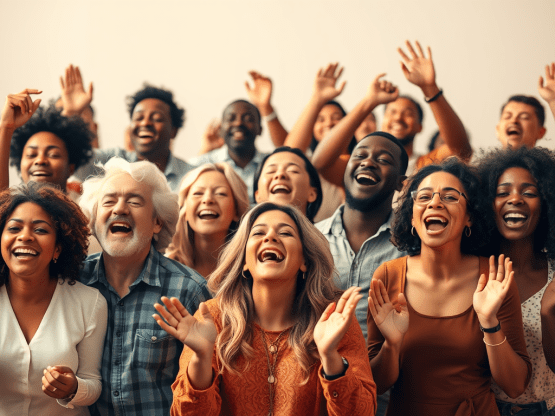
An inclusive society is one where “We the People” really means every single person. Laws and policies are made with everyone in mind. Schools and jobs are open to all. Everyone gets a fair shot at success. It doesn’t mean pretending differences don’t exist; it means embracing them and making space for everyone at the table.
When people of all backgrounds feel included, they’re more to trust one another. They help each other and build stronger communities. There’s more creativity, more prosperity, and more peace.
What Can We Do?
The first step is to recognize when “We the People” is falling short of its promise. Listen to those who feel left out. Ask questions about whose voices are missing in decision-making, education, business, and daily life.
Support leaders and policies that work to include everyone, not just the people who look or sound like us. Celebrate holidays, traditions, and stories from all groups in your community. Teach children that everyone belongs, and that differences make us stronger, not weaker.
Conclusion
When “We the People” only includes one ethnicity, everyone loses. The group that’s favored has power for a while, but the country is weaker, less creative, and less just. True strength, unity, and prosperity come from making “We the People” mean all the people, every day, in every way. That’s a promise worth working for, together.
Remembering Jesus’s Sacrifice
Let’s always remember that Jesus gave up his life for others. He chose to put us before himself so we have hope, love, and new life. It’s a powerful example of selfless love that we should never forget.
In His Service,
Minister A. Francine Green
 afrancinegreen.com