
Why Jesus Calls Himself the Good Shepherd—and Why It Matters
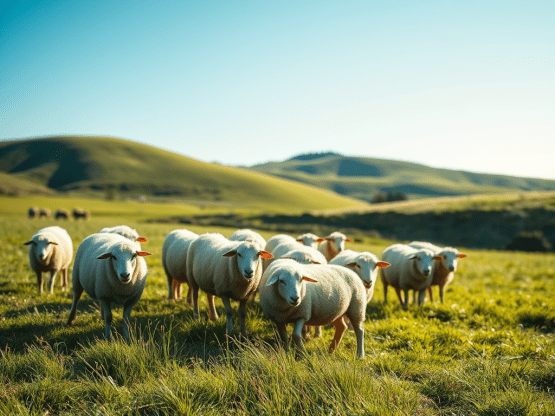
Imagine you’re in a field full of sheep. Some people come over the fence, sneaking in where they shouldn’t. Others walk right up to the gate and call out, and the sheep come running because they know the voice. This simple picture is how Jesus tried to explain something profound about Himself. It was also about His people and the leaders of His day.
Jesus, the True Shepherd vs. the False Shepherds
In Jesus’ time, religious leaders were supposed to help, protect, and care for people—like shepherds do for sheep. But many had become more interested in power, rules, and their own status than actually looking after people. Jesus saw this and wanted to show the difference between real, caring leadership and false, selfish leadership.
- The True Shepherd enters by the door: Jesus said that He comes to people the right way. He approaches openly, lovingly, and with care. He doesn’t sneak in or use tricks. He truly belongs as a shepherd of God’s people.
- False shepherds sneak in another way: Some leaders get their position through connections, politics, or even manipulation. They’re more like thieves trying to take what isn’t theirs, rather than people who are called to care for others.
Jesus was making it clear. Not everyone who acts as a leader is really there for the good of the people. Some just want to get something for themselves, while the true shepherd wants to serve and protect.
The Relationship Between Sheep and Their Shepherd
Here’s where it gets personal. In the sheep pens of Jesus’ day, several flocks were kept together. When a shepherd came, they’d call their own sheep by name, and only their sheep would follow. The others would ignore the call. That’s how well the sheep knew and trusted their shepherd.
- Jesus knows His sheep by name: He isn’t a distant leader. He personally cares for each person who follows Him.
- The sheep recognize His voice: People who really know Jesus can tell when He’s speaking to their hearts. This happens through Scripture, prayer, or life events. They know what’s real and loving, and what’s just noise from someone else.
- The shepherd leads, not drives: Jesus doesn’t push or force people. He leads by going ahead, showing the way, and inviting us to follow.
This is a gentle, caring relationship. Jesus doesn’t see people as a crowd to manage, but as individuals to call, guide, and protect.
The Door and the Promise of Abundant Life
Jesus also called Himself “the door” for the sheep. In the countryside, shepherds would sometimes become the door. They would lie down at the entrance to the sheep pen. This kept out wolves and thieves. Anyone wanting to hurt the sheep would have to go through the shepherd first.
- Anyone who enters “by the door”—by Jesus—finds safety, freedom, and nourishment. That’s what He promises: not just survival. He promises a life that is truly full. This is described as “life to the full” or “abundant life.”
- False shepherds take, but Jesus gives: The “thieves and robbers” only want to steal, kill, and destroy. But Jesus comes to give life—real, lasting, and satisfying.
This abundant life isn’t about having more stuff or an easy time. It’s about a deep sense of peace, purpose, and belonging. You know you are loved. You feel safe. You are led by someone who wants your good.
The Sacrifice of the Good Shepherd
Jesus goes even further: “I am the good shepherd. The good shepherd gives his life for the sheep.” Unlike a hired hand, who runs away when danger comes, Jesus stands firm. He promises to stand firm even if it costs Him everything. He chose to lay down His life when He died on the cross. He did this so that those who follow Him are truly safe. They will also be free.
- The Good Shepherd sacrifices for the sheep. He’s not just a leader—He’s a protector, willing to face danger and make the ultimate sacrifice out of love.
- He knows every sheep personally. To Jesus, you are not just another face in the crowd.
- He is known by His sheep: There is a deep relationship of trust and love. It exists between Jesus and those who follow Him.
One Flock, One Shepherd
Jesus also spoke about “other sheep”—people outside of Israel who would also be called to His flock. He was saying that His care and love would reach beyond one group or nation. In the end, there would be “one flock and one shepherd.” People from all backgrounds would unite not by rules or organizations. They would be united by their loyalty to Jesus.
A Secure Place in the Shepherd’s Hands
Jesus made one more amazing promise. Those who are His sheep can never be taken away. They are safe—not by thieves, not by wolves, not by anyone. They are safe in His hands and in God the Father’s hands. Life can be hard, and dangers come. Jesus promises to keep His people safe in the deepest way. It is the most important promise.
Why This Matters for Us
When Jesus calls Himself the Good Shepherd, He’s inviting us into a relationship of trust, care, and real life. He’s saying: I know you, I want you, and I will go to any length to protect and guide you. Unlike leaders who come and go, Jesus truly cares. He also has the power to back it up, unlike those who use people for their own gain.
To follow the Good Shepherd is to step into a life marked by security, meaning, and deep joy. It’s about knowing you belong, you’re loved, and you’re safe in hands that will never let you go.
In His Service,
Minister A. Francine Green
 afrancinegreen.com