
Strength in Unity
”And if a house is divided against itself, that house will not be able to stand. (Mark 3:25)
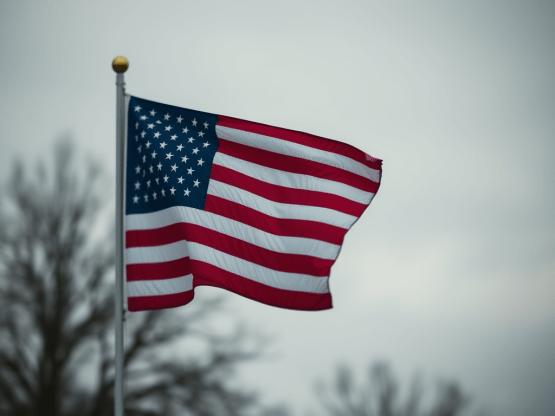
The phrase “United we stand, divided we fall” resonates profoundly in moments of political discord and societal fragmentation. As I observe the current state of politics, I am struck by how partisan divides and entrenched ideologies seem to erode collective strength, diluting the essential cohesion needed for meaningful progress. This simple yet powerful adage serves as a reminder that unity is not merely a lofty ideal but a necessity for resilience and shared prosperity. The conspicuous absence of this spirit in today’s political landscape gives me pause, urging reflection on the broader consequences of division and the imperative to rebuild bridges across fractured lines. Unity matters because whether it’s a country or a church, working together brings strength, peace, and progress.
What it means and why it matters
We often hear the phrase “United we stand, divided we fall,” but have you ever stopped to think about what it really means? At first glance, it might seem like a simple saying, but behind those words lies a powerful truth about teamwork, unity, and the importance of sticking together.
The Meaning of the Phrase
In the simplest terms, “United we stand, divided we fall” means that people are stronger when they work together and weaker when they are apart or in conflict. Imagine a group of friends trying to move a heavy object. If each person tries to lift it by themselves, they might struggle or fail. But if they work together, combining their strength, the task becomes much easier. This phrase reminds us that unity creates strength, while division leads to weakness.
Where Does It Come From?
The phrase has roots that go back hundreds of years. It has been used in speeches, literature, and even music to inspire people to stay united. One of the earliest known uses was by Aesop, the Greek storyteller famous for his fables. In one of his stories, a group of sticks is easily broken when separated but impossible to break when bundled together. This idea of strength in unity has been passed down through generations, showing up in political speeches and movements around the world.
Why Unity Matters
Strength in Numbers
Think about how teamwork works in sports. A soccer team, for example, needs every player to contribute. If one player tries to take on the whole opposing team alone, they will almost certainly lose the ball. But when the team works together, passing and supporting each other, they have a much better chance of scoring a goal. The same principle applies to life. Whether it’s in a family, a workplace, or a community, people achieve more when they collaborate.
Facing Challenges Together
Life can throw tough challenges our way. From natural disasters to personal struggles, we often need the support of others to get through hard times. Imagine trying to rebuild a house after a storm. If only one person is working, it may take months or even years to finish. But if neighbors, friends, and family pitch in, the house can be restored much more quickly. Unity helps us overcome obstacles that might seem impossible on our own.
Avoiding Conflict and Division
Division can weaken a group, whether it’s a team, a family, or even a nation. When people are divided—arguing, mistrusting, or working against each other—they lose their ability to focus on their goals. Think about a tug-of-war game where the players on the same side start pulling in opposite directions. Instead of moving forward together, they cancel each other out and go nowhere. Unity prevents this kind of inefficiency and helps everyone move forward.
Applying the Lesson
In Everyday Life
The idea of standing united isn’t just for big movements or battles; it applies to our daily lives too. For example, in a workplace, employees can accomplish much more when they cooperate rather than compete. In schools, students who help each other learn often perform better than those who try to outshine their classmates. Even within families, unity makes a big difference. When family members support each other, they create a happier, healthier home.
In Communities
Communities thrive when people come together. Whether it’s organizing a local event, cleaning up a park, or helping neighbors in need, unity allows communities to achieve great things. Divided neighborhoods, on the other hand, struggle to make progress. By working together, we can build better places to live and stronger connections with the people around us.
Globally
The principle of “United we stand, divided we fall” applies on a global scale as well. Countries that unite to tackle global issues like climate change, poverty, or disease are much more effective than those that act alone. For example, international organizations like the United Nations show how collaboration between nations can lead to progress that benefits everyone.
The Risks of Division
Division can sneak into relationships, workplaces, and communities in subtle ways. Miscommunication, envy, and distrust are common culprits. When these issues aren’t addressed, they can grow into bigger problems, causing people to drift apart. This is why it’s important to resolve conflicts and find common ground before division takes hold.
Powerful Examples of Unity
The Civil Rights Movement
In the United States, the Civil Rights Movement of the 1960s showed the power of unity. People from all walks of life came together to fight for equality and justice. By standing united, they achieved significant change, proving that collective action can overcome even the toughest challenges.
Natural Disaster Recovery
After events like hurricanes or earthquakes, communities often come together to rebuild. Volunteers, rescue teams, and organizations act as one, providing food, shelter, and support. These efforts show how unity can turn tragedy into triumph.
The COVID-19 Pandemic
The recent pandemic highlighted the importance of unity. Scientists, healthcare workers, and people around the world collaborated to find solutions, share resources, and support each other. While there were challenges, the global response showed how working together can save lives.
How to Foster Unity
Communicate Openly
Good communication is the foundation of unity. Sharing ideas, listening to others, and being honest help build trust and prevent misunderstandings.
Focus on Common Goals
Even when people have differences, finding shared goals can unite them. For example, a community may have diverse opinions but can still come together to improve local schools or parks.
Be Inclusive
Unity is strongest when everyone feels included. Encouraging participation and respecting diverse opinions make it easier to stand together.
Conclusion
“United we stand, divided we fall” is more than just a catchy phrase—it’s a timeless lesson we can all learn from. Whether you’re working on a team, supporting your family, or helping your community, unity is the key to success. By sticking together, we can face challenges, achieve goals, and build a better world for everyone. So next time you see an opportunity to unite with others, remember: together, we are stronger.
In times of global conflict, when decisions are made without unity, we risk weakening the very foundation that holds us together—reminding us that, truly, united we stand, divided we fall.
 afrancinegreen.com