
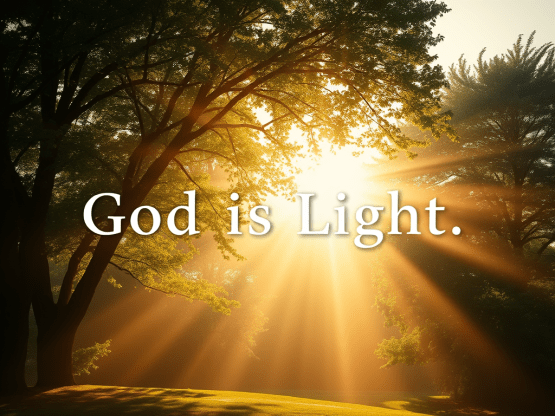
Exploring the profound simplicity of 1 John 1:5
Introduction
“God is light.” These three simple words from 1 John 1:5 carry incredible meaning. At first glance, they seem poetic or abstract. Yet, they hold a deep truth. This truth can shape how we live every day. To break it down, this phrase reveals that God is absolutely pure, good, and truthful. There is no trace of darkness, sin, or wrongdoing. Understanding this can inspire us to live with more clarity, kindness, and purpose.
The Context of 1 John 1:5
In the Bible, 1 John 1:5 says, “God is light, and in Him there is no darkness at all.” This verse was written by the apostle John, one of Jesus’ closest followers. Here, John presents a vivid image of God’s character by comparing Him to light. In the Bible, light often symbolizes goodness, truth, and holiness, while darkness means sin and evil. By saying there’s no darkness in God, John reminds us that God is perfect and trustworthy—someone we can rely on in a confusing and imperfect world.
What Does Light Symbolize?
Light is a universal symbol that we meet daily. It helps us see, it guides us, and it makes us feel safe. John’s use of light to describe God is no coincidence; it’s a simple yet profound way to explain His qualities. Let’s look at what light signifies when talking about God:
Purity
Think about how clear and clean light is—it’s free from any contamination or flaw. This reflects God’s perfect holiness. Unlike humans, who make mistakes and struggle with sin, God is completely pure. There’s no trace of evil or wrongdoing in Him, which makes Him a source of ultimate goodness.
Guidance
Just as a lamp lights the way in a dark room or a flashlight helps us navigate a trail, God’s light shows us the right path in life. His guidance helps us make choices that are not just good for us but also align with truth and love.
Truth
Light exposes what’s hidden—it reveals things we might not otherwise see. Similarly, God’s light brings clarity. It unveils the truth about ourselves, our circumstances, and the world around us, helping us understand what truly matters.
The Contrast Between Light and Darkness
While light represents God’s goodness and truth, darkness often symbolizes sin, evil, and confusion. Darkness hides, distorts, and leads us astray, while light reveals and illuminates. The contrast between the two emphasizes that God is the opposite of darkness. He is entirely good, trustworthy, and free from anything harmful or false. This imagery helps us see why following God is like stepping into the light—into clarity, safety, and truth.
What “God is Light” Means for Us
Understanding that God is light isn’t just about knowing something abstract; it directly impacts how we live. Here’s how:
God’s Purity
Because God is pure, we can trust Him completely. Unlike people or situations that deceive or disappoint us, God’s holiness means He always acts with goodness and honesty. His purity sets a standard for how we should aim to live—striving for honesty, kindness, and integrity.
God’s Guidance
Life can feel confusing and overwhelming at times, but just as light helps us find our way, God’s guidance can lead us through uncertainty. When we’re unsure about what’s right or wrong, or how to move forward, turning to God—through prayer, scripture, or reflection—can bring clarity.
God’s Truth
In a world filled with misinformation and competing voices, God’s truth is like a beacon of light cutting through the noise. His teachings help us understand what is truly important and give us with a reliable foundation for making decisions.
Living in the Light
The Bible encourages believers to “walk in the light,” which means living in a way that reflects God’s goodness, truth, and love. It’s not just about avoiding sin; it’s about actively choosing to do what’s right. Walking in the light involves kindness, honesty, and compassion—qualities that mirror God’s character.
Practical Ways to Walk in the Light
Walking in the light doesn’t have to be complicated. Here are some practical steps anyone can take:
· Study the Bible: God’s Word is like a lamp for our feet, offering wisdom and guidance for life’s challenges. Reading and understanding scripture helps us know His truth.
· Pray: Spending time in prayer connects us to God, allowing His light to guide our thoughts and decisions.
· Be Honest: Living in the light means being truthful in our words and actions, even when it’s difficult.
· Show Love and Compassion: Reflecting God’s light means being kind and caring toward others, especially those in need.
Why Living in the Light Matters
Living in the light doesn’t just transform us; it has a ripple effect on our communities. When we act with integrity and kindness, we create spaces of trust and respect. Our actions can inspire others to seek God’s light and live with more purpose and love.
Influencing Others
By living as “children of light,” we become beacons of hope and goodness in the world. Imagine how much brighter the world be if everyone reflected God’s light in their daily lives. Our example can encourage others to follow God, creating a positive cycle of love and kindness.
The statement “God is light” from 1 John 1:5 seems simple. Yet, it holds profound meaning for how we view God. It also influences how we choose to live. It reminds us of His purity, guidance, and truth, and challenges us to reflect those qualities in our everyday actions. By walking in the light, we honor God and bring His love and goodness into the world. Let His light brighten your life and inspire you to be a beacon for others.
In His Service,
Minister A Francine Green
 afrancinegreen.com