
A Layman’s Guide to the Biblical Parable
Ever wondered about the meaning behind the phrase “the sower sows the word”? It’s actually a reference to a story told by Jesus in the Bible, known as the Parable of the Sower. This parable can be found in three places in the Bible: Matthew 13:1-23, Mark 4:1-20, and Luke 8:4-15. It sounds a bit mysterious at first. But, it’s filled with lessons that are easy to understand. We just need to break it down step by step.
What Is the Parable About?
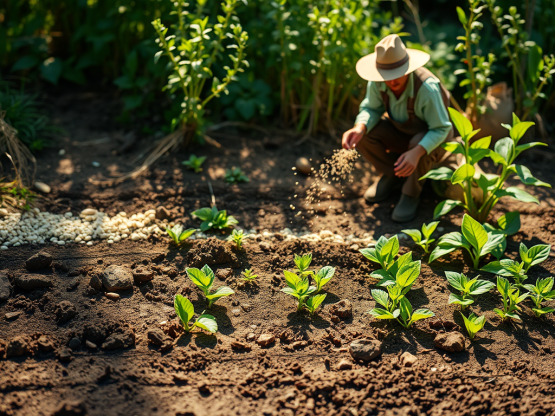
The parable is essentially a story about a farmer (called the sower) who scatters seeds in different places. These seeds land on various types of ground. Depending on where they land, they either grow successfully or fail to grow. In this story, the seeds symbolize the teachings of Jesus, often referred to as “the word of God.” The different types of ground represent how people respond to those teachings in their own lives.
The Key Characters and Elements
Let’s look at the main parts of the parable:
The Sower
The sower is the person spreading the word of God. This is Jesus himself. It is also anyone who shares the teachings of God with others. This includes a pastor, a teacher, or even a friend who discusses their faith.
The Seed
The seed represents the word of God. It has the potential to grow into something meaningful. It can be life-changing in people’s hearts. Just like a seed needs the right conditions to sprout, the word of God requires a receptive heart. Only then can it take hold and flourish.
The Different Grounds
Here’s where the story gets interesting! The farmer scatters seeds, and they end up in four different places. Each type of ground symbolizes a different way people respond to the word of God:
· The Path: Some seeds fall on a hard path where they don’t sink in at all. Birds quickly come and eat them up. This represents people who hear God’s teachings but don’t understand them. Before they have a chance to think it over, Satan (symbolized by the birds) snatches away the message.
· Rocky Ground: Some seeds land in rocky soil, where they sprout quickly but can’t grow roots. When the sun gets hot, the plants wither and die. This means people who are initially excited about God’s word but lose faith when life gets tough or challenges arise.
· Thorns: Other seeds fall among thorns, which choke the plants as they try to grow. These thorns stand for life’s worries. They also represent the pursuit of wealth. Additionally, they signify other distractions that prevent people from fully embracing God’s teachings.
· Good Soil: Finally, some seeds land in good soil, where they grow and produce a plentiful harvest. This symbolizes people who hear God’s word, understand it, and let it transform their lives for the better. These are the people who “bear fruit,” meaning they live in a way that reflects God’s love and teachings.
What Can We Learn From This Parable?
Now that we know the basics, let’s dive into the lessons. This story isn’t just about farming. It’s about how we approach the teachings of God. These teachings can influence our lives.
Lesson 1: Not Everyone Reacts the Same Way
The parable shows us that people respond to God’s word differently. Some ignore it completely, while others embrace it eagerly but struggle to stay committed. And then there are those who let it transform their lives deeply. It reminds us that everyone’s spiritual journey is unique.
Lesson 2: Understanding Is Key
The seeds that fall on the path don’t grow because they’re not understood. This highlights the importance of taking time to understand God’s teachings instead of just hearing them passively. When we truly grasp what the word means, it can start to make a real difference in our lives.
Lesson 3: Challenges Test Our Faith
The rocky ground represents the trials and difficulties that can come our way. It’s easy to lose faith when life gets hard. Still, this part of the story encourages us to stay rooted. We should trust in God even during tough times.
Lesson 4: Watch Out for Distractions
The thorns are a warning about things that can distract us from God’s word. These things include worries about money, career, or other worldly concerns. It’s a reminder to keep our priorities straight. We should not let these things choke the spiritual growth we’re trying to cultivate.
Lesson 5: Cultivate Good Soil
The ultimate goal is to be like the good soil. We should be receptive and understanding. We must be ready to let God’s word grow into something beautiful and fruitful in our lives. This involves keeping our hearts open, staying focused, and living according to God’s teachings.
How Can We Apply This in Everyday Life?
You might be thinking, “Okay, I get the story, but what does it mean for me?” Here are some simple ways to put the lessons into practice:
· Take Time to Learn: Don’t just hear God’s word—try to understand it. Read the Bible, talk to others about their interpretations, or join a study group.
· Stay Rooted During Challenges: When life gets tough, remember the rocky soil. Make an effort to stay strong in your faith. Pray, seek support from your community, and trust that things will get better.
· Avoid Spiritual Distractions: Be mindful of the “thorns” in your life. Are there worries or pursuits that are taking your focus away from what really matters? Make adjustments where you can.
· Be the Good Soil: Make a conscious effort to live a life that reflects God’s teachings. Show kindness, help others, and let your actions reflect your faith.
Final Thoughts
The Parable of the Sower isn’t just a story—it’s a mirror that helps us reflect on our own spiritual journey. By understanding the different types of ground, we strive to cultivate “good soil” in our hearts. This allows us to grow into people who truly embrace the word of God. We can then bear meaningful fruit in our lives.
So the next time you hear the phrase “the sower sows the word,” consider it a call to action. View it as an invitation to act. It’s a reminder that we have the power to decide how we receive and respond to God’s teachings. Whether you’re new to faith or have been on this journey for years, this parable offers valuable insights. These insights can help you grow spiritually and lead a fulfilling life.
In His Service,
Minister A Francine Green
 afrancinegreen.com