
The Heartbeat of a People
Freedom is a word that stirs emotions, inspires dreams, and unites people under a common hope. But what does freedom truly mean for a nation? To put it simply, freedom is the ability for a country and its people to make their own choices, to live without fear, and to shape their own destiny. It’s about having control over your own land, culture, and future without interference from outside forces or oppressive systems.
Freedom and Identity
A nation’s freedom is deeply tied to its identity. Think of it as a person growing up—when you’re free, you can decide who you want to be. For a country, this means being able to preserve its language, traditions, and way of life. Nations that have fought for their independence often do so because they want to protect what makes them unique. Whether it’s through music, festivals, or the way people greet each other on the street, freedom allows a nation to proudly declare, “This is who we are.”
Take the examples of countries like India, South Africa, or the United States. Each faced struggles to break free from colonial rule, racial oppression, or other forms of domination. Today, their independence is celebrated because it represents not just freedom from oppression, but the freedom to celebrate their unique heritage.
Freedom Isn’t Free
Here’s a hard truth: freedom comes at a cost. For many nations, the path to liberty is paved with sacrifice. Wars, revolutions, and protests are often the tools through which freedom is won. People risk their lives because the promise of freedom—of being able to speak, worship, and live freely—is worth everything.
Consider the nation of Haiti, which became the first independent Black republic in 1804. Its people, mostly enslaved Africans, fought against one of the most powerful European empires at the time. Their victory didn’t just bring freedom to their nation; it sent a powerful message to the world: even the oppressed can rise, fight, and win their independence.
Freedom and Responsibility
Once a nation achieves freedom, the story doesn’t end there. In fact, freedom brings with it a lot of responsibility. Just like an adult who finally moves out of their parents’ house, a free nation must decide how to run itself. This means setting up systems of government, passing laws, and working to make life better for its people. Freedom is most valuable when it benefits everyone, not just a select few.
For example, after gaining independence, many nations work hard to ensure justice, equality, and education for all their citizens. This is because true freedom isn’t just about breaking chains; it’s about building opportunities for everyone to thrive.
Threats to Freedom
Even when a nation is free, that freedom can be fragile. External forces like war or economic pressure can threaten a country’s independence. Internal problems, such as corruption or inequality, can also erode a nation’s freedom from within. That’s why maintaining freedom requires constant vigilance and effort.
History shows us that nations must stand united to protect their liberty. Whether it’s through democratic elections, social movements, or simply citizens speaking out against injustice, freedom thrives when people care for it.
The Power of Unity
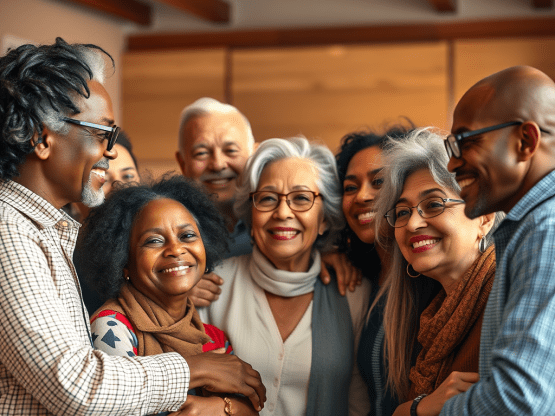
At its core, the strength of a nation and its freedom lies in its unity. When people come together—despite differences in religion, ethnicity, or political views—they form a strong foundation for a free society. Unity doesn’t mean everyone agrees on everything; rather, it means everyone agrees that their shared freedom is worth protecting.
When you think of freedom in a nation, imagine a tree. Its roots are the sacrifices made by those who fought for independence. Its trunk is the unity of its people, supporting the tree no matter the storm. And its branches and leaves are the opportunities, dreams, and future that grow from being free.
Why Freedom Matters
Without freedom, nations lose their voice. People lose the ability to make choices for themselves. It’s like living in a house where someone else decides everything for you—what you eat, where you go, even how you think. When a nation is free, it becomes a home for ideas, progress, and hope.
Freedom matters because it inspires. It allows nations to learn from their past while shaping their future. It reminds people that, no matter how difficult the journey, the right to be free is worth every challenge.
Conclusion: Freedom’s Eternal Flame
Freedom is more than just a concept; it’s a living, breathing force that defines nations and their people. It’s the spark that ignites revolutions and the foundation upon which societies are built. But more than anything, freedom is a gift—a gift that must be earned, cherished, and protected for generations to come.
So, whether you’re thinking about the history of your own country or the struggles of others around the world, remember this: freedom is the heartbeat of a nation, the light that guides its people, and the promise of a brighter tomorrow.
Minister A Francine Green
 afrancinegreen.com