
Understanding What We Ignore and Why It Matters
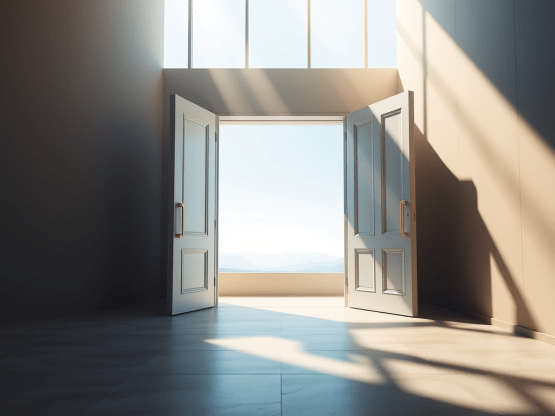
Let’s put it simply: Sometimes the biggest problems in our society are the things we’re not willing to talk about. Imagine a house with a locked room. You can pretend it’s not there, but you’ll never truly feel at home until you open the door and see what’s inside.
What Are “The Powers”?
In religious language, especially in Christianity, you’ll hear about “powers” like angels, spirits, principalities, demons, and even Satan. For most modern people, these words feel outdated—leftover from an era of superstition. Our culture is built on a “what you see is what you get” mindset. If it can’t be touched or measured, many believe it just doesn’t exist.
Why Do We Ignore These Things?
For centuries, Western culture has been trying hard to explain everything by science and reason. That’s great for many things, but it leaves us with blind spots. If we have no language or framework to talk about spiritual realities—or even our own inner darkness—we end up hiding them or pretending they’re not real. This doesn’t make them go away. It just means we deal with our struggles in isolation or shame.
What Gets Left Out Hurts Us
Every system, whether it’s a family, a community, or a nation, has topics that are off-limits. Sometimes, talking about sex or the struggles people face internally is considered too risky or taboo. When we lock these issues away, we also lock away opportunities for healing and reconciliation. We miss out on understanding the hidden forces that shape our actions, relationships, and even the fate of entire countries.
Why Does This Matter for Healing and Reconciliation?
When a nation faces wounds—like war, injustice, or deep social divides—real healing only happens when we name what’s really going on. Unmasking the “powers” means being honest about the forces, visible and invisible, that have shaped us. It means creating space for conversations about what we usually hide or dismiss.
Reconciling a nation is not just about fixing laws or building new schools. It’s about addressing wounds that are often spiritual, emotional, or hidden in the shadows of our collective life. By bringing these “unmentionables” into the open, communities can finally begin the work of real healing.
· Disarming weakness starts with honesty—naming what’s usually left out.
· True reconciliation means facing not only our actions, but also the deeper forces behind them.
· Healing nations involves opening the locked rooms, both in our hearts and in our culture, and dealing with what we find.
In the end, a healthier society is one that isn’t afraid to talk about everything—including the things we’ve been taught to ignore. That’s how we unmask the powers, and that’s where true restoration begins.
 afrancinegreen.com