
What Noah’s Story Teaches Us About God’s Faithfulness
After the great flood, Noah and his family stepped out into a world that was completely changed—quiet, empty, and full of possibilities. You might think the first thing Noah would do was build a new home, but instead, he built an altar and offered thanks to God. Even though he didn’t have a lot of animals left, Noah still gave some back to God, showing that honoring God comes first, no matter how little we have.
God was pleased with Noah’s gratefulness and faith. But it’s important to remember that, while the burnt offerings in those days were a way to worship, what really mattered to God was Noah’s heart—his belief, devotion, and thankfulness. The sacrifice itself was just a symbol, pointing forward to even greater things to come.
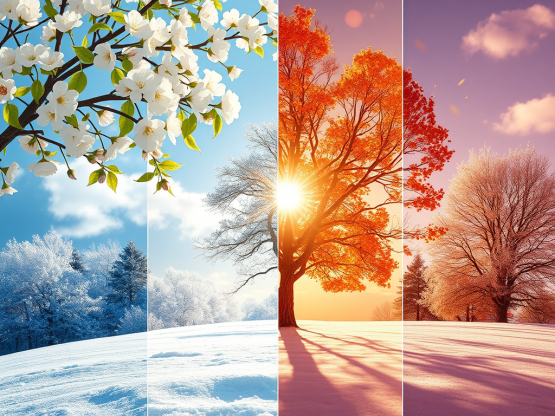
God noticed that even though the flood had washed away all the wicked people, humans still have a tendency to do wrong things. That’s just human nature. But instead of wiping everyone out again, God made a promise: as long as the earth continues, there will always be planting and harvesting, cold and heat, summer and winter, day and night. In other words, the rhythms of nature and life will keep going—God will keep things steady and reliable.
This promise is comforting. It means that even when the world feels unstable or uncertain, we can trust that God keeps things in motion. Seasons will come and go, days will turn to nights, and life will keep moving forward. God’s word is dependable.
So, what does this mean for us today? We don’t offer burnt sacrifices now, but we can still show our gratitude through our words, prayers, and kind actions. When we honor God with what little or much we have, we can trust that God sees and cares. And just as God kept His promise to keep the seasons going, we can also trust that all His other promises will hold true. The world won’t last forever, but as long as it’s here, God’s steady hand is at work, providing order and hope for all living things.
Minister A Francine Green
August 2025
 afrancinegreen.com