
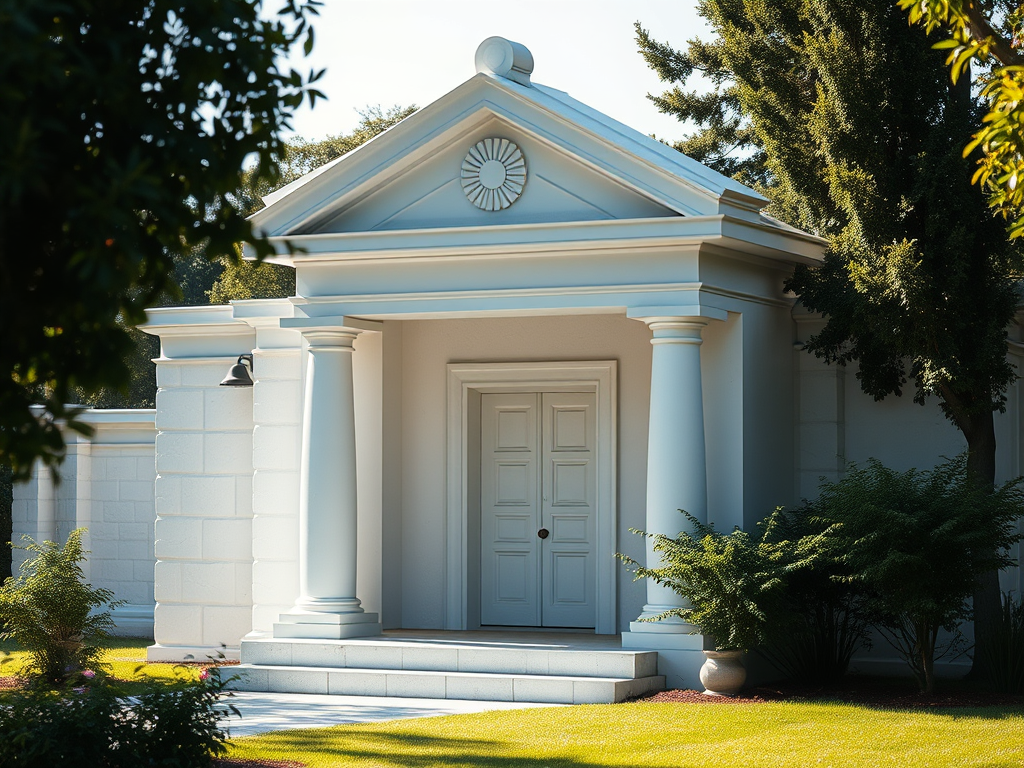
Why Jesus Used This Striking Metaphor
If you’ve ever heard the phrase “whitewashed tombs” and wondered what it means, you’re not alone. This picture comes from the New Testament, where Jesus uses it as a powerful way to talk about hypocrisy—specifically, the kind shown by some religious leaders called Pharisees. Let’s break it down in plain language.
What Does “Whitewashed Tombs” Mean?
Back in ancient times, Jewish people would clean and paint tombs white, especially before big festivals. Why? So everyone could see them easily and avoid touching them by accident. Touching a tomb would make someone “unclean” according to their religious rules, so the bright white paint acted like a warning sign.
But here’s the important part: while these tombs looked nice and clean on the outside, inside they were full of dead bones and all sorts of decay. It’s like having a beautiful, spotless box—but it’s full of things you’d never want to see or touch.
Jesus’ Lesson: Don’t Just Look Good on the Outside
Jesus saw that the Pharisees—religious experts of the time—followed all the rules and looked very holy in public. But inside, he said, their hearts weren’t right. They were missing real kindness, mercy, and love. He called them “whitewashed tombs” because, just like those painted graves, they looked good on the surface but were hiding spiritual problems deep down.
Why Did Jesus Say This?
He wanted people to understand that what’s inside a person is more important than what’s on the outside. You can act perfectly in front of others, go to every ceremony, and say all the right things, but if your heart isn’t filled with goodness, it doesn’t matter much. True faith, Jesus taught, is about being honest and loving inside, not just about putting on a show.
Some Extra Details
– Tombs were whitewashed once a year, so people wouldn’t accidentally touch them and become “unclean.”
– The whitewash was a type of lime powder, making the tombs shine in the sunlight as a warning.
– Sometimes, if a grave wasn’t kept up and lost its white paint, people might walk over it not realizing what it was—which was another warning about being unaware of hidden problems.
The Big Takeaway
Being a “whitewashed tomb” means focusing too much on appearances and not enough on what really matters: having a good heart, being sincere, and living with compassion. The message isn’t just for religious leaders—it’s for all of us. It’s a reminder to care more about who we are inside than about impressing others.
If you ever hear someone described as a “whitewashed tomb,” you’ll know it means they might look great on the outside but are missing something important deep down. According to Jesus, what’s inside is what truly counts.
Minister A Francine Green
August 2025
 afrancinegreen.com