
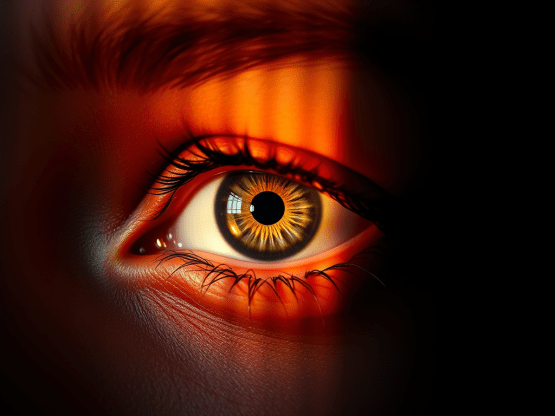
Understanding the journey of a word from social awareness to cultural battleground
Origin and Meaning
Where did “woke” come from?
The word “woke” actually started in the African-American community, popping up in the 1930s. Back then, “stay woke” was more than just slang—it was a warning, a way for Black people to remind each other to stay alert to the dangers of racism and unfair treatment. This was about looking out for one another, making sure people were aware of the challenges they faced, especially in times and places where discrimination was a very real threat.
Historical Context
Why was “woke” important?
In the early 20th century, being “woke” meant understanding that racism wasn’t just about hurtful words. It was also about laws, policies, and violence that made life harder or even dangerous for Black Americans. When someone said “stay woke,” it was almost like saying, “Keep your eyes open—bad things might be happening, and you need to be ready.”
Evolution and Mainstream Use
How did “woke” become popular?
Fast forward to the 2010s, and “woke” got a new burst of energy thanks to social movements like Black Lives Matter. The hashtag #staywoke spread online, encouraging people everywhere to pay attention to police brutality and racial injustice. As these ideas caught on, “woke” started to mean being aware of other social issues too—like sexism, LGBTQ+ rights, and really any kind of unfairness that people fight against.
Weaponization and Controversy
Why do people argue about “woke” now?
As “woke” became more mainstream, it also became a word used in political arguments. Some conservative or far-right groups grabbed onto it, twisting it into an insult. Instead of meaning “aware of injustice,” it became a way to criticize or poke fun at progressive ideas—sometimes calling them “too politically correct” or “trying too hard to focus on identity.”
How did “woke” change?
Nowadays, “woke” can be a compliment, a criticism, or even a joke—depending on who’s using it. Some people wear it with pride, believing it means standing up against injustice and supporting equality. Others use it to dismiss or mock ideas they think go too far, calling it pretentious or just a sign of being out of touch.
Why Does This Matter?
· The original meaning: Awareness of racial injustice and fighting for equality.
· How it changed: A broader sense of social awareness, but also a political insult.
· What it means now: Depends on who’s saying it—could be positive, negative, or somewhere in between.
The Importance of Cultural and Spiritual Awakening in Today’s Culture Wars
With so many heated debates happening in society today, it’s more important than ever for us to understand and respect different cultures, as well as pay attention to our own inner sense of meaning. Being open to new perspectives helps us connect with people from all walks of life, while developing our spiritual awareness gives us strength and peace when things get tough. By learning about both the world around us and what grounds us inside, we can build a kinder, more united community—even when times are challenging.
Bottom line:
“Woke” started out as a call to be alert and aware of unfairness, especially racism. It’s traveled a long way, and now it’s a hot-button word that means different things to different people. When you hear it, it’s worth asking: what does the speaker mean? Are they talking about caring for others, or are they using it to criticize? Knowing the history helps us understand the conversation—and hopefully keeps the focus on what matters: treating everyone fairly.
 afrancinegreen.com