
The Real Impact of Unrighteousness on a Nation—In Everyday Language
Introduction: The Power of Character in Shaping a Nation
When you look at the world’s history books, or even just the headlines in the news, one thing stands out time and again: the character of a country shapes its future. It’s not just about fancy laws, strong armies, or money in the bank—it’s about the basic values that guide a nation’s choices. What happens when those values go off-track? What does unrighteousness—meaning a lack of fairness, honesty, or kindness—do to a country’s destiny? Let’s break it down in everyday language.
Righteousness makes a nation great; sin is a disgrace to any nation. Proverbs 14:34
What Does “Righteousness” Even Mean?
Righteousness is one of those words you hear in church or see in the Bible, but what does it really mean? In simple terms, righteousness is about living by what’s right and fair—especially by God’s standards. For a person, it’s choosing honesty over cheating, kindness over cruelty, and telling the truth instead of lying. For a nation, it’s even bigger: it means creating laws, building systems, and developing a culture where honesty, justice, compassion, and respect for all people are the norm.
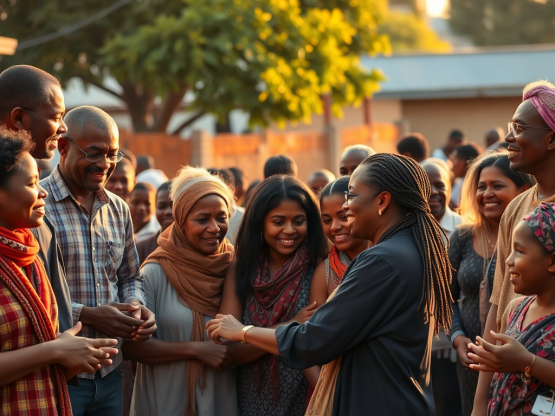
Let’s say you walk into any town or city and see people helping each other, leaders speaking truth, and laws that protect everyone equally. That’s righteousness in action. It isn’t just about being “good” or “nice”—it’s about setting up society so that everyone has a fair shot and is treated with dignity.
The Bible’s Take: Why Righteousness Lifts Up a Nation
The Bible puts it plainly: “Righteousness exalts a nation, but sin is a disgrace to any people” (Proverbs 14:34). In other words, when a country does what’s right, it’s lifted up—people thrive, trust grows, and there’s a real sense of pride and unity. But when unrighteousness—meaning wrongdoing, corruption, or injustice—takes over, things start to fall apart. The nation’s reputation gets damaged, and the people pay the price.
This Bible verse isn’t talking just about individuals; it’s about countries as a whole. When a society builds itself on what is fair and just, everyone wins. But ignore those values, and trouble’s never far behind.
Why Does Righteousness Matter—In Simple Terms?
Imagine living in a place where you can trust your neighbors and leaders, walk the streets safely, and count on the justice system to treat you fairly. That’s what happens when a nation chooses righteousness. Society becomes stronger, people work together more easily, and hope grows for the future.
But flip the coin, and think about a country where dishonesty, greed, and cruelty are common. People start to distrust each other and their leaders. Crime rises, corruption spreads, and everyone feels less safe and less hopeful. Instead of unity, there’s division. Instead of progress, there’s decline. That’s the real impact of unrighteousness. It’s not just an abstract idea—it affects everyday life, jobs, schools, and families.
Examples from History and Today
It’s not hard to find examples of countries rising or falling based on their moral choices. Think of places that have built strong reputations for fairness and justice: these societies tend to be stable, prosperous, and respected. On the other hand, nations that let corruption and injustice run wild often face unrest, poverty, and isolation from the rest of the world.
Look at recent events in America and elsewhere. There’s been division, anger, and debate about what will “save” a country. Some people turn to politics, protests, or picking sides. But real, lasting change doesn’t come from shouting the loudest or blaming others—it starts with everyone, from leaders to ordinary citizens, choosing to do what’s right.
The Ripple Effect: How Unrighteousness Damages a Country
Unrighteousness isn’t just a private thing—it spreads. When dishonesty and injustice go unchecked, they infect every part of society, like a disease. Here’s how it plays out:
- Broken Trust: People stop trusting each other and their leaders. When promises aren’t kept or the truth gets twisted, everyone feels more alone and suspicious.
- Rising Conflict: Without fairness and respect, division grows. People fight over resources, rights, or simple misunderstandings, and peace becomes harder to find.
- Weaker Economy: Corruption and cheating scare away investment, destroy businesses, and make it tougher for everyone to prosper.
- Loss of International Respect: When a country’s leaders or laws are known for injustice, other nations hesitate to form partnerships or offer help.
- Hurting the Most Vulnerable: Those who already struggle—children, the elderly, the poor—feel the effects most. Unrighteousness widens the gap between rich and poor, strong and weak.
All this leads to a society where people struggle more, hope less, and the future looks dimmer.
The Role of the Church and Ordinary People
The Bible calls believers, and especially the church, to be “salt and light.” What does that mean in reality? It means setting a good example, standing up for what’s right, helping those in need, and speaking truth—even when it’s difficult. The church isn’t supposed to rely on politics or raw power to change a country, but on living out faith in everyday actions that make things better for everyone.
For ordinary people, this means your choices matter. Every time you speak honestly, help a neighbor, or stand up against injustice, you’re making a difference. You can’t fix everything overnight, but you can set a positive example and encourage others to do the same.
Dealing with Confusion and Uncertainty
Let’s be real—sometimes things get messy. In times of crisis, it’s easy to get caught up in rumors, false stories, or put hope in the wrong places. The Bible teaches us to trust in God’s bigger plan, even when we don’t see the whole picture. “Now we see only a part of the picture, but one day everything will be clear” (1 Corinthians 13:12). That’s a reminder to stay hopeful and keep doing what’s right, trusting that in time, the truth will come out and justice will prevail.
What Happens When Righteousness Is Ignored
Recent years have shown the dangers of ignoring moral values. When countries let go of what’s right—allowing injustice, dishonesty, or cruelty to rule—problems follow quickly. We’ve seen social unrest, violence, economic trouble, and a breakdown of trust. The effects don’t hit just one area—they reach into government, media, families, schools, and even religious communities.
When unrighteousness is allowed to grow, people lose faith in their country and each other. Laws lose their meaning. Leaders lose respect. The whole society becomes more fragile, less united, and more vulnerable to crisis.
The Path Forward: Building a Stronger, More United Country
So what’s the answer? It’s not about picking the “right” political party or winning every argument. It’s about returning to the basics: truth, justice, and compassion. When leaders and citizens alike commit to doing what’s right, good things follow—peace, progress, and a brighter future for everyone.
Change starts small, with individual choices. When enough people choose honesty over deceit, kindness over cruelty, and justice over injustice, those values spread through families, neighborhoods, and cities. They shape laws, guide leaders, and build a culture that lasts.
Takeaway: Why Every Choice Matters
No country becomes great by accident. The foundation for a strong nation is built one decision at a time, by leaders and ordinary people alike. Righteousness lifts up a country—unrighteousness tears it down. So whether you’re in charge, working an everyday job, or just looking for hope, know this: your choices matter. When you stand for truth, justice, and compassion, you help build a better, more united country that can weather any storm and offer hope for generations to come.
Minister A Francine Green
August 2025
 afrancinegreen.com