
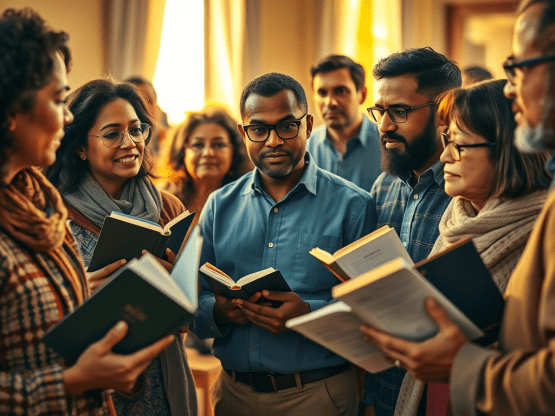
Understanding Moral Agency and Social Influence
What Does “Community” Mean in Christian Ethics?
Community, as described in Christian ethics, isn’t just a group of people who live near each other. It’s not simply about sharing similar interests. It’s deeper than that. Community is about the connections we have to others. It encompasses the ways we relate socially and shapes who we are, both morally and personally.
How Communities Shape Us
Think of community as the environment where you learn what’s right and wrong. The way we see ourselves is influenced by the people around us. We make decisions based on the rules they follow and the traditions they value. Families, schools, churches, and workplaces, each community contributes to teaching us about life. They play a role in shaping our morals.
· Social rules: These are the unwritten guidelines or expectations we pick up from our surroundings. They include showing respect, helping others, or being honest.
· Personal identity: Even things like how we respond to certain challenges are influenced by the communities we’re part of. Our view of gender roles is also shaped by these communities.
No One Figures Out Morality Alone
We don’t come up with our sense of right and wrong all by ourselves. Similarly, we don’t become who we are in isolation. Our moral insight—the ability to tell what’s good or bad, fair or unfair—comes from our experiences with others. Our interactions with those around us shape everything we know about ethics. These interactions also shape what we know about the world in general.
Individuality and Community
Now, that doesn’t mean people are just copies of their communities. Every person is unique. Sometimes individuals often rise above the moral standards of their group. They make choices that are wiser or more just. But even these personal decisions—no matter how private—are still influenced by the social experiences we’ve had. Without those experiences, we wouldn’t even understand what those choices mean.
The Big Picture
In simple terms, Christian ethics, living a moral life is always a “team effort.” We learn, grow, and decide the right thing to do by being part of communities. Our communities are always part of the story when we help a neighbor. They influence us when we think about a tough decision. Our communities also play a role when we are just figuring out who we are.
Bottom line: Morality isn’t just about “me”—it’s about “us.” The values we hold depend on the social world we share. The choices we make also depend on it. The people we become is influenced by this shared social world.
Minister A Francine Green
September 2025
 afrancinegreen.com