
Understanding Bitterness and Breaking Its Hold for a Healthier Society
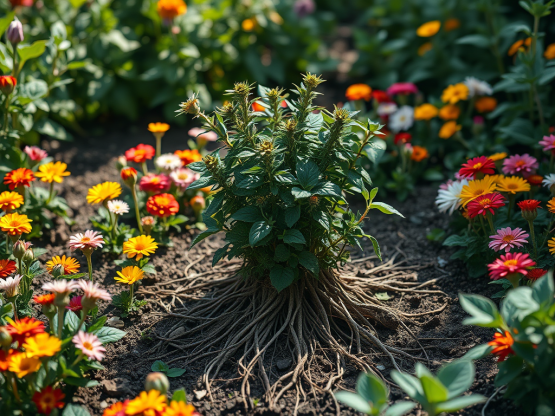
Bitterness isn’t just a feeling. It’s more like a stubborn weed that hides in the soil. It quietly grows until it takes over the garden. In everyday life, we talk about bitterness as though it’s simply being angry or disappointed. But if we look at how the Bible describes it, bitterness is something deeper and more dangerous. It’s a “root”—invisible at first, but with the power to spread, poison relationships, and even entire communities. This idea isn’t exclusive to those who read Scripture. It is relevant to everyone. This is especially true as we deal with tough issues like politics, race, immigration, and religion.
What Is the Root of Bitterness?
In the Bible, the “root of bitterness” is found in Deuteronomy and Hebrews. Moses warns the people not to let bitterness take hold. If it does, it will produce “poisonous and bitter fruit.” In other words, if we let resentment or hurt fester, it will cause more pain for us. It will also cause pain for others. In Hebrews, the message is similar. Don’t miss out on God’s grace. Don’t let a “bitter root” grow that will trouble and contaminate many people. This isn’t just about feeling bad—it’s about the long-term consequences when we let grudges and anger stay buried inside.
Bitterness starts small. Maybe someone says something hurtful, or a system treats you unfairly, or you witness injustice and feel powerless. If these wounds aren’t healed, they put down roots. Over time, this hidden bitterness can shape how we see the world. It affects how we treat other people. It even influences how we think about ourselves.
How Bitterness Works—And Why It’s So Dangerous
Think of bitterness like a weed under the surface. At first, you do not even notice it. It starts with a small argument, a feeling of being left out, or a disappointment that never gets resolved. The problem is, bitterness doesn’t go away on its own. If ignored, it grows stronger, spreading into our thoughts and actions.
Bitterness affects how we talk to each other. It turns simple disagreements into major arguments, and minor frustrations into lifelong grudges. It can make us feel justified in our anger, and even proud of holding onto it. But the fruit of bitterness isn’t good. It leads to anger, envy, jealousy, and mistrust. When bitterness takes hold, it clouds our judgment and makes it hard to see the good in others. It can ruin friendships, families, workplaces, and entire communities.
Bitterness in Politics: The Poison of Partisanship
Politics today often feels like a battlefield. People on different sides aren’t just disagreeing—they’re angry, suspicious, and sometimes outright bitter. This isn’t just about policies or politicians. It’s about old wounds, unresolved issues, and distrust that has built up over years or even generations.
Social media and news outlets sometimes make things worse. It’s easy to find stories that confirm our worst suspicions about “the other side” and hard to have honest conversations. Bitterness is what turns lively debate into hateful shouting matches. It makes compromise seem weak, and forgiveness seem impossible.
When bitterness drives politics, we don’t just disagree—we start to hate. We remember every slight and every insult, and we pass those stories down. The root of bitterness keeps us stuck in cycles of blame. It makes it hard to focus on solutions or common ground.
Bitterness in Race and Racial Injustice: Wounds That Don’t Heal
Few issues are as painful or deeply rooted as racial injustice. For many people, the wounds of racism aren’t just historical—they’re personal, experienced in daily life. When those hurts aren’t acknowledged or healed, bitterness can grow.
Bitterness in matters of race isn’t the fault of one person or group. It’s the result of generations of pain, unfair treatment, and broken promises. It shows up in distrust between communities, in anger at institutions, and in the feeling that things will never change.
The root of bitterness here is especially tricky, because it’s not just about personal emotions—it’s about entire systems and histories. If bitterness is left alone, it leads to division, suspicion, and constant conflict. It can make reconciliation and justice seem impossible, because the wounds run so deep.
Bitterness and Immigration: Strangers, Suspicion, and Fear
Immigration is another place where bitterness can take root. For those who come to a new country, the experience is often marked by hope. It is also marked by fear and loneliness. When newcomers face suspicion or outright hostility, bitterness can develop. This affects not only the newcomers but also those who feel threatened by change.
Stories of lost jobs can fuel bitterness around immigration. Changing neighborhoods also contribute. There is a sense that one’s way of life is under attack. These fears are often made worse by politicians or media looking to score points. The result is distrust on all sides: newcomers feel rejected; longtime residents feel ignored; and everyone feels bitter.
What starts as a simple question—“Who belongs?”—can quickly turn into resentment and anger, dividing neighbors and families. The root of bitterness here isn’t just about law or policy; it’s about real people struggling with real feelings.
Bitterness and Religion: Division Where There Should Be Unity
Faith communities are supposed to be places of healing and grace, but bitterness can take hold here too. Sometimes disagreements over beliefs, leadership, or worship styles turn into grudges and silent hostility. Sometimes hurtful words or actions go unaddressed, and relationships break down.
The Bible warns about this, because bitterness in the church is especially damaging. It turns unity into division, and love into suspicion. When church members hold onto old hurts, refuse to forgive, or gossip about each other, bitterness spreads. It can even drive people away from faith altogether.
A church—or any religious group—marked by bitterness becomes stuck. It loses its sense of community and its ability to help others. Instead of showing God’s love, it shows what happens when grace is missing.
Bitterness Is a Community Problem
One of the reasons bitterness is so powerful is that it doesn’t stay private. Like a weed, it spreads. If one person is bitter, others can quickly become bitter too. Families get stuck in old patterns, work teams break down, communities split, and even nations become divided.
Social media makes this worse. Grievances are amplified, hurts are repeated, and bitterness becomes contagious. Instead of healing, people double down on anger and suspicion. Reconciliation seems impossible, and trust disappears.
Breaking the Cycle: Forgiveness and Grace
So what’s the solution? The Bible offers a powerful answer: forgiveness and grace. This isn’t just for religious people—it’s something anyone can practice. Forgiveness means letting go of the right to get even. It means choosing not to let old wounds control how you live now. Grace means giving others the benefit of the doubt, and offering kindness even when it’s hard.
Forgiveness isn’t easy. It means facing the pain, naming it honestly, and deciding not to let it define you. Sometimes it means asking for help, or having difficult conversations. But it’s the only way to stop bitterness from spreading.
Grace is the soil in which forgiveness grows. In practical terms, grace means listening to others, letting go of grudges, and working for understanding. It means refusing to pass down bitterness to the next generation.
What We Can Do—As Individuals and Communities
· Talk honestly about hurts. Whether in families, workplaces, or communities, naming our pain helps us heal.
· Seek reconciliation, not revenge. Try to build bridges instead of walls, even when it’s hard.
· Practice forgiveness. Let go of grudges and choose to move forward.
· Cultivate grace. Treat others with kindness and patience, especially when you disagree.
· Be vigilant. Watch out for bitterness in your own heart—and help others root it out.
Conclusion: Uprooting Bitterness for a Better Future
Bitterness is easy to ignore because it hides under the surface. But if we don’t deal with it, it will poison our politics. It will also taint our conversations about race. Additionally, it will affect our attitudes about immigration and our faith communities. The good news is that we aren’t helpless. With honesty, forgiveness, and grace, we can remove the roots of bitterness. We can sow seeds of love, unity, and peace.
In a world that often chooses to hold onto hurt, let’s be people who choose to let go. Let’s refuse to let old wounds define us, and build communities marked by understanding, healing, and hope. The root of bitterness can be deadly—but together, we can uproot it for good.
Minister A Francine Green
September 2025
 afrancinegreen.com