
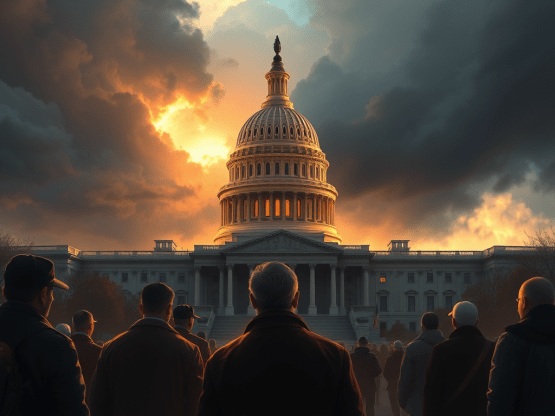
Understanding the Challenges to America’s Promise
If you ask most people what makes America special, they’ll probably mention ideas like freedom, equality, and democracy. These values are supposed to be the foundation of the “American experiment”—the bold idea that people from all backgrounds can come together, govern themselves, and pursue happiness. But this ideal, as inspiring as it is, has faced tough challenges from the very beginning. Three forces in particular—slavery, Christian nationalism, and certain forms of conservative politics—have left deep scars on the country’s journey toward fulfilling its promise.
Slavery: America’s Original Sin
Before the United States was a nation, slavery was already woven into its fabric. For more than 200 years, millions of Black people were brought to America in chains, forced to work without pay, denied their basic rights, and treated as property. The damage of slavery is hard to overstate. It didn’t just hurt those who were enslaved; it shaped every corner of American life.
· Economic Impact: Slavery helped build the wealth of the nation, especially in the South, but that wealth came at the cost of unimaginable suffering. Enslaved people created profits for others, yet their own communities were left in poverty for generations.
· Social Impact: Slavery divided people by race, creating a social hierarchy that said some people were worth more than others just because of the color of their skin.
· Political Impact: The fight over slavery nearly tore the country apart, leading to the Civil War. Even after slavery was abolished, new laws and practices (like Jim Crow) kept Black Americans from enjoying true freedom and equal rights.
The legacy of slavery is still with us. Racial inequality persists in education, health care, jobs, and housing. The damage isn’t just a matter of history—it affects real lives today.
Christian Nationalism: Mixing Faith and Government
America is a country where many people practice Christianity, and where religious freedom is protected by law. But “Christian nationalism” is something different. It’s the idea that America should be defined by one kind of Christian belief, and that government laws should reflect that faith—even if it means excluding others.
· Exclusion of Others: Christian nationalism often tries to draw a line between “real Americans”—who are usually white and Christian—and everyone else. This can make people of other faiths, or no faith at all, feel unwanted or even threatened.
· Undermining Pluralism: America’s strength comes from being a place where people of all backgrounds can live together and share their ideas. When government is used to push one religion above all others, it undermines the core principle of religious freedom.
· Influence on Policy: Christian nationalism has shaped debates on issues like education, science, women’s rights, and LGBTQ+ rights. Sometimes these movements push for laws that limit personal freedom, citing religious reasons—even though America’s founding documents say government should stay out of religion.
When faith becomes a tool for political power, it can divide neighbors, turn difference into suspicion, and threaten the very idea that America belongs to all.
Conservative Politics: Tradition vs. Progress
Conservative politics in America means a lot of things to different people. At its best, it’s about preserving core values, respecting tradition, and being cautious about change. But sometimes, especially when mixed with the fears and prejudices left over from the past, conservative politics can slow progress and leave many people behind.
· Blocking Change: Throughout history, some conservative leaders resisted laws that would expand rights and freedoms—like ending segregation, granting women the vote, or recognizing same-sex marriage. This resistance often makes life harder for those already facing barriers.
· Protecting Privilege: Sometimes, conservative policies end up protecting the advantages of certain groups (usually those who have always had power) at the expense of everyone else. This can mean fewer opportunities for people who are poor, new to the country, or from racial minorities.
· Shaping the Narrative: Conservative politics has sometimes shaped the story Americans tell about their country, downplaying the role of slavery or discrimination and emphasizing a version of history that leaves out uncomfortable truths.
None of this means all conservative beliefs are bad. Many Americans value tradition, community, and responsibility. The problem comes when those values are used to justify inequality, reject change, or silence voices that need to be heard.
The American Experiment: At Risk, But Not Lost
The damage caused by slavery, Christian nationalism, and harmful conservative politics is real. These forces have tested the promise that America could be a land of true freedom and equality. Yet, the American experiment isn’t over.
· Resilience: Time and again, people have come together to demand change—abolitionists, civil rights leaders, women’s suffrage activists, and everyday citizens who refused to accept injustice.
· Reform: Laws have changed, sometimes slowly, to expand rights and include more people in the promise of America.
· Ongoing Struggle: The process isn’t finished. The damage of the past doesn’t disappear overnight, and some try to revive old divisions for political gain. But progress is possible when people confront the truth and work for a more inclusive future.
Why It Matters
Talking openly about the damage these forces have done isn’t about blaming or shaming. It’s about understanding where America fell short of its ideals, and figuring out how to do better. The American experiment is supposed to be about learning, growing, and making a society where everybody gets a fair shot.
The promise of America is powerful—but only if it belongs to all. If we forget the lessons of slavery, if we let religion dictate who has rights, or if we let fear of change keep us stuck in old ways, the experiment falters. If we face these challenges head-on, listen to each other, and fight for justice, the American experiment can thrive.
Conclusion: Building a Better Tomorrow
The history of America is filled with stories of pain and promise. Slavery, Christian nationalism, and harmful conservative politics have held the country back and hurt millions. But those same stories also show the power of people to resist, reform, and reshape their nation. The American experiment is a work in progress. Its success depends on recognizing the damage of the past and choosing a future where freedom, equality, and democracy are real for everyone.
No one person can fix all the problems. But every person who speaks up, asks hard questions, and treats others with respect helps push the experiment forward. America’s greatest strength has always been its ability to change. The hope for a better tomorrow lies in never giving up on that promise.
Minister A Francine Green
September 2025
 afrancinegreen.com