
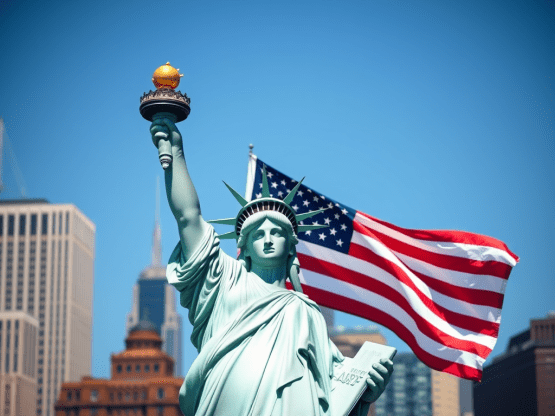
America’s history is one of profound ambition, resilience, and aspiration. Yet, woven into its narrative are recurring struggles with race, religion, and politics—forces that have simultaneously built, fractured, and reshaped the nation. These domains, essential to the fabric of society, hold the power to unite or divide, elevate or dismantle. This reflection examines how these factors, intertwined with human imperfection, have contributed to the challenges America faces today.
Race: The Struggle for Equality
The issue of race has long been a fault line in America’s identity. From the enslavement of African people to the systemic inequalities of today, the nation has grappled with the paradox of proclaiming liberty while perpetuating discrimination. Race has been politicized and weaponized, turning diversity—a source of cultural wealth—into a battlefield.
The cycle of progress and regression echoes the sentiment in Job 12:23: “He makes nations great, and destroys them; he enlarges nations, and leads them away.” The verse reminds us that while human efforts to build societies are significant, divine sovereignty prevails. It prompts reflection on how America can address racial injustices, not through divisive rhetoric but by embracing humility, truth, and reconciliation.
Religion: A Double-Edged Sword
Religion has been a cornerstone of American life, inspiring movements like the abolition of slavery and civil rights advocacy. At its best, faith has united communities, fostering compassion and moral courage. Yet, religion has also been manipulated to justify oppression, exclusion, and intolerance.
The tension between the sacred and the secular has often transformed the public square into a space of division rather than dialogue. Psalm 20:8 offers a poignant reflection: “They are brought to their knees and fall, but we rise up and stand firm.” It serves as a reminder that true strength lies not in the misuse of faith for personal or political gain, but in its authentic practice—lifting others, seeking justice, and walking humbly before God.
Politics: A House Divided
Politics, the vehicle of governance and progress, has often been mired in partisanship and power struggles. When race and religion intersect with politics, they can amplify division. Policies steeped in prejudice or exclusion have led to cycles of disenfranchisement and unrest.
Drawing from the lessons of history, one sees the danger of a nation divided against itself. Political discourse rooted in fear or hatred erodes trust and hinders collective progress. The spiritual wisdom of Job and Psalms calls us to transcend such discord, urging leaders and citizens to prioritize unity over division, dialogue over destruction.
A Call for Renewal
The perpetual challenges America faces in integrating race, religion, and politics into a cohesive and just society demand reflection and action. As the scriptures remind us, greatness is not sustained through dominance or division but through humility, justice, and faithfulness.
Psalm 20:8 and Job 12:23 invite us to consider the consequences of our actions as individuals and as a nation. Are we building a society that rises up and stands firm, or one that stumbles under the weight of its own divisions? The answer lies in our collective willingness to prioritize empathy, equity, and hope over the forces that divide.
America’s story is still unfolding. While race, religion, and politics have often been sources of strife, they also hold the potential to be forces for profound transformation. By aligning our actions with the higher principles of justice, mercy, and love, perhaps we can reimagine a future where these forces unite rather than divide—a future where the nation realizes its promise of liberty and justice for all.
Minister A Francine Green
September 2025
 afrancinegreen.com