
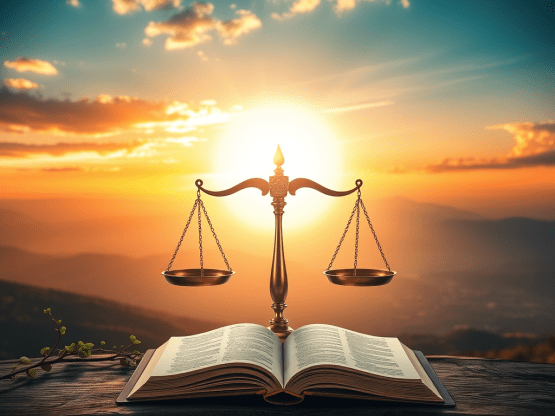
How Old and New Testament Teachings Guide Us Toward Compassion and Equity
Introduction: Justice and Fairness as Biblical Pillars
If you’ve ever wondered what really matters to God, the Bible makes one thing clear: justice and fairness sit at the very heart of His character. These aren’t just lofty ideals or ancient rules—they’re practical values that shape how we treat others and build our communities. From the very beginning, justice and fairness have been central pillars of biblical ethics, guiding people toward lives that reflect God’s love and goodness. Let’s explore how these themes flow through both the Old and New Testaments, and what they mean for us today.
Old Testament Foundations: Mishpat and Tzedakah
The Old Testament often uses two key Hebrew words when talking about justice and fairness: mishpat (justice) and tzedakah (righteousness). These aren’t just legal terms—they describe living rightly with God and with others, making sure everyone is treated fairly and compassionately.
· Justice (mishpat): This is about making things right, giving people what they are due, and ensuring fair treatment for all.
· Righteousness (tzedakah): Not just personal morality, but living in a way that brings goodness and fairness into relationships and society.
The Bible is packed with verses that highlight these values. For instance, Deuteronomy 32:4 describes God as “a God of faithfulness and without injustice, righteous and upright is He.” Leviticus 19:15 insists, “Do not pervert justice; do not show partiality to the poor or favoritism to the great, but judge your neighbor fairly.” Micah 6:8 sums up what God asks of us: “To act justly and to love mercy and to walk humbly with your God.”
The Old Testament also calls us to protect those who are vulnerable—widows, orphans, and foreigners. Isaiah 1:17 urges, “Learn to do right; seek justice. Defend the oppressed. Take up the cause of the fatherless; plead the case of the widow.” Jeremiah 22:3 echoes this: “Administer justice and righteousness, and deliver the one who has been robbed from the power of his oppressor.” Psalm 82:3-4 says, “Defend the weak and the fatherless; uphold the cause of the poor and the oppressed. Rescue the weak and the needy.”
These verses show that biblical justice is never just about laws—it’s about love in action, making sure everyone, especially the vulnerable, is treated with dignity and care.
Justice and Fairness in the New Testament
When Jesus arrives on the scene, He doesn’t toss aside these values—He lives them out and teaches them even more deeply. In Matthew 5:20, Jesus says, “Unless your righteousness surpasses that of the Pharisees… you will certainly not enter the kingdom of heaven.” Here, He’s pointing to a justice that goes beyond rule-following—it’s about genuine love and fairness.
Jesus’ parables and actions are filled with concern for justice. In Luke 18:1-8, He tells the story of a persistent widow seeking justice, encouraging us not to give up on seeking what’s right. In Matthew 23:23, He criticizes religious leaders for neglecting “the more important matters of the law—justice, mercy and faithfulness.” And in John 3:16-17, we see God’s love for the world, a love that calls for fairness and compassion for all people.
The apostles continue this theme. Paul, for example, instructs believers in Romans 12:17-19 to “do what is right in the eyes of everyone” and to leave vengeance to God, focusing instead on fairness and peace. In Colossians 4:1, he tells masters to treat their servants “justly and fairly,” reminding us that everyone deserves dignity.
Throughout these teachings, justice and fairness are not optional extras—they’re core ways of reflecting God’s character and bringing His kingdom to earth.
Living Out Justice and Fairness Today
So what does all this mean for us in our everyday lives? The Bible’s call to justice isn’t just theoretical—it’s a challenge to act. Proverbs 21:3 says, “To do what is right and just is more acceptable to the Lord than sacrifice.” Isaiah 1:17 (again) urges us to seek justice and defend those who can’t defend themselves.
· Be fair in your dealings. Whether at work, at home, or in your community, treat everyone with honesty and respect.
· Speak up for the vulnerable. Don’t ignore injustice—advocate for those who have no voice.
· Practice compassion. Justice isn’t just about rules; it’s about kindness, generosity, and helping those in need.
· Challenge unfairness. When you see favoritism, prejudice, or mistreatment, seek to make things right.
Justice and fairness start with us, in small everyday choices and in bigger actions. When we live these out, we mirror God’s heart to those around us.
Conclusion: The High Calling of Biblical Justice
Biblical justice and fairness aren’t just old ideas—they’re life-changing truths that reflect who God is and what He wants for our world. The Bible calls us to live out these values, not simply as religious duty, but as a response to God’s love and example. When we pursue justice and fairness, we help build communities that honor God and care for every person. It’s a high calling, but one that brings real hope and change—starting with us.
Minister A Francine Green
September 2025
 afrancinegreen.com