
A Reflective Essay on Unity, Political Division, and Scriptural Longing in Christian Worship
Introduction: Understanding the ‘House of the Lord’
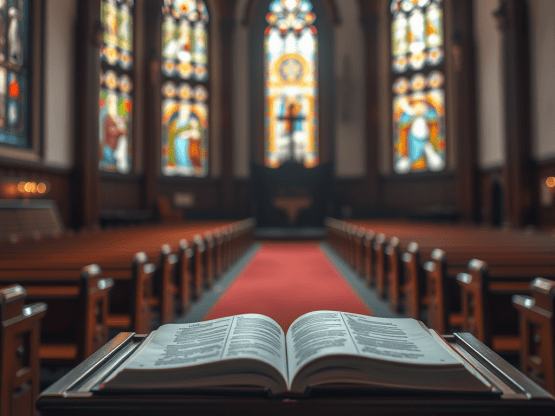
The phrase “house of the Lord” holds deep significance in the Christian tradition. From the tabernacle in Exodus, to Solomon’s temple, to the local church building today, believers have long set apart physical spaces for worship, prayer, and fellowship. Scripture is filled with references to these sacred places: “I rejoiced with those who said to me, ‘Let us go to the house of the Lord’” (Psalm 122:1). Such places are meant to be refuges from the world, where God’s presence is sought and honored, and where His people gather in unity and devotion. The purpose of these sacred spaces is not merely architectural or ceremonial—they are designed to foster communion with God and with one another.
Physical Places of Worship: Fostering Unity and Devotion
Church buildings and sanctuaries serve as visible reminders of God’s invitation to gather. Hebrews 10:25 encourages believers “not giving up meeting together… but encouraging one another.” In these spaces, Christians pray, sing, learn, and support each other. The act of coming together in a dedicated place cultivates unity, reminding us that we are part of a larger body in Christ. However, when political agendas seep into these gatherings, the atmosphere can shift. Instead of focusing on worship, the congregation may become divided, distracted by earthly disputes and allegiances. This threatens the very unity the church is called to embody.
Spiritual Dwellings: Believers as Temples
Scripture also teaches that believers themselves are temples of the Holy Spirit (1 Corinthians 6:19). This profound truth means that the sanctity of worship is not confined to buildings but extends to the hearts and lives of God’s people. Our spiritual identity in Christ should supersede any political or cultural label. When we allow political identity to overshadow our spiritual calling, we risk diminishing the sacredness within ourselves and among our fellow believers. Paul writes, “There is neither Jew nor Greek… for you are all one in Christ Jesus” (Galatians 3:28), urging us to prioritize our spiritual unity over worldly divisions.
Dwelling in God’s Presence: Scriptural Longing Amid Distraction
Throughout Scripture, there is a longing to dwell in the presence of God. David declares, “One thing I ask from the Lord… that I may dwell in the house of the Lord all the days of my life” (Psalm 27:4). This longing is at the heart of worship. Yet, political conflict and discord can distract us from this pursuit. When worship spaces become arenas for debate rather than sanctuaries for prayer, our focus shifts from God to human agendas. The effects are felt not only in the physical gathering but also in the spiritual atmosphere, hindering our ability to truly encounter God.
Consequences of Political Division in Sacred Spaces
Political division within places of worship leads to several consequences. First, it causes fragmentation among believers, undermining the unity Christ prayed for in John 17. Second, it distracts from the central purpose of gathering—to glorify God and seek His will. Third, it diminishes the church’s witness to the world; outsiders may see a divided congregation and question the reality of Christian love. Finally, spiritual erosion can occur, as hearts become hardened and worship becomes routine rather than transformative. The sacredness of the house of the Lord is compromised when political agendas take precedence.
Restoring and Preserving Sacredness: Recommendations
To restore and preserve the sanctity of worship spaces, the Christian community must take intentional steps:
· Prioritize God’s Kingdom: Remember that our allegiance is to Christ above all political parties or ideologies.
· Foster Unity: Encourage reconciliation and understanding among believers, focusing on shared faith rather than differences.
· Refocus on Worship: Make worship the central activity of gatherings, minimizing distractions and debates over temporal matters.
· Teach Scripture: Ground discussions and decisions in biblical truth, reminding the congregation of God’s call to love and unity.
· Model Reconciliation: Leaders and members alike should demonstrate forgiveness, humility, and a willingness to listen.
These steps can help reclaim the sacredness of both physical and spiritual worship spaces, ensuring that the house of the Lord remains a place of peace and devotion.
Conclusion: A Call to Return to Scriptural Principles and Unity
In these times of division and distraction, the Christian community is called to preserve the sanctity of the house of the Lord—both in our buildings and in our hearts. By returning to scriptural principles, prioritizing unity, and resisting the intrusion of political agendas, we can offer a witness of peace and love to the world. Let us heed the psalmist’s longing and make every effort to dwell in God’s presence, united in Christ and devoted to His glory. May our worship spaces—physical and spiritual—reflect the holiness and harmony for which they were created.
Minister A Francine Green
October 2025
 afrancinegreen.com