
Understanding God’s Expectations Through a Simple Garden Story
The Vineyard Image and God’s Care
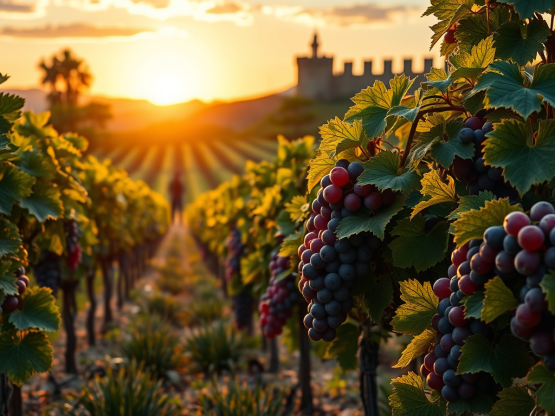
Imagine a gardener who pours his heart into growing a beautiful vineyard—he waters, weeds, and cares for each vine, hoping for a harvest of sweet, juicy grapes. In Isaiah 5:7, God is pictured just like that gardener. He lovingly tends to His people, Israel and Judah, giving them everything they need to thrive. This simple garden story helps us understand how much God cares and what He hopes to see in our lives.
Verse Breakdown: Isaiah 5:7 Made Simple
Isaiah 5:7 says that Israel and Judah are God’s vineyard. He expects them to grow into something good—like grapes that can make delicious wine. Instead, He finds “wild grapes,” meaning things didn’t turn out as He hoped. In plain terms, God gave His people lots of attention and blessings, but the results weren’t what He wanted.
Meaning of the Metaphor: God’s Relationship and Expectations
Why use a vineyard? Because it shows how much effort God puts into caring for His people. Just as a gardener expects his plants to grow well after all his hard work, God expects us to show kindness, fairness, and love. The special relationship between God and Israel is like a gardener and his favorite vineyard—He invests in us, hoping we’ll grow into caring, good people.
What Went Wrong: Lack of Justice and Good Fruit
Sadly, the story takes a bittersweet turn. Despite all God’s care, Israel and Judah didn’t live up to His hopes. Instead of justice, there was wrongdoing; instead of kindness, there was pain. The “wild grapes” represent actions and attitudes that just don’t match God’s loving spirit. It’s a reminder that having blessings or spiritual privileges isn’t enough—what matters is how we treat others and reflect God’s goodness.
Lessons for Today: Applying the Message to Our Lives
So, what does this mean for us? Like the vineyard, we’ve all been given opportunities and gifts. God hopes we use these to grow “good fruit”—things like love, patience, humility, and kindness. If we let pride or selfishness take over, we miss out on the life God wants for us. The message is clear: God’s care calls for us to live in ways that honor Him and bless others.
Conclusion: Living as God’s Fruitful Garden
The vineyard story isn’t just about ancient Israel; it’s a timeless lesson for everyone. God’s loving care invites us to grow into people who spread kindness and justice. When we let His love shape our words and actions, our lives become gardens that bring joy to God and blessings to those around us. Let’s strive to be the “good fruit” that God desires, honoring His care by how we live every day.
Heavenly Father, thank You for Your loving care and for the lessons we find in Your Word. Help us to grow into people who spread kindness, justice, and love wherever we go. May Your spirit guide us to bear good fruit, honoring You with our actions and words each day. Bless us to be a reflection of Your grace to others, and let our lives bring joy to You and hope to the world. In Jesus’ name, Amen.
Minister A Francine Green
October 2025
 afrancinegreen.com