
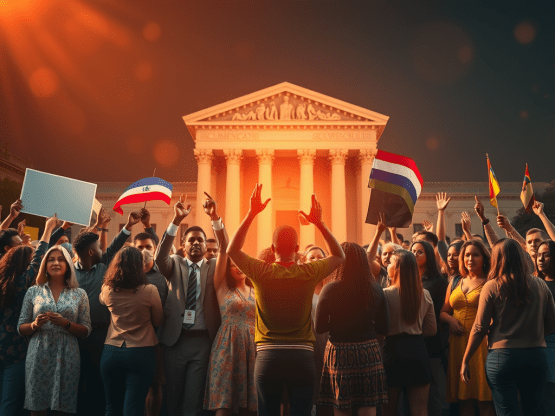
How Policy Decisions Impacted the Most Vulnerable Among Us
In recent years, the intersection of religion and politics has become a hot topic in American life. Nowhere was this more evident than during the Trump administration, a time when religious rhetoric and political decisions often went hand in hand. This blend raised many questions, especially about how government actions affected the poor, the weak, and those on the margins of society. In this post, we’ll walk through what it means when religion and politics mix, look at some policy examples from the Trump years, and consider the moral questions these choices raise for all of us.
Religion and Policy: When Faith Meets Power
Religion has always played a role in American politics, but during the Trump administration, it became especially prominent. Many policy decisions were publicly framed in terms of religious values. For example, there was a strong focus on protecting religious freedom, often highlighted in speeches and executive orders. At the same time, some policies seemed to favor certain religious groups over others, leading to debates about whether the government was respecting the separation of church and state.
One clear example is the push for religious organizations to have greater say in government-funded services, such as adoption agencies or social programs. Supporters said this let faith-based groups serve the public according to their beliefs. Critics, however, worried that this opened doors to discrimination, especially against LGBTQ individuals or those of different faiths.
Policy Effects on Vulnerable Populations
When politics and religion mix, the effects are often most strongly felt by those with the least power. During the Trump administration, several policy changes directly impacted the poor, the weak, and the disenfranchised.
- Social Welfare Changes: Programs like Medicaid and food assistance faced stricter eligibility requirements. This meant that many low-income families found it harder to get basic health care or put food on the table.
- Healthcare Access: Efforts to roll back the Affordable Care Act threatened to remove coverage for millions of people, especially those with pre-existing conditions or those living in poverty.
- Homelessness and Housing: Changes to housing regulations and funding left many at risk of losing shelter or struggling to find affordable homes.
These policies were often justified using language about personal responsibility or moral values. But in practice, many of those affected were people who already faced tough odds—children, seniors, people with disabilities, and minorities.
Immigration and Religious Rhetoric
Perhaps nowhere was the intersection of religion and politics more visible than in immigration policies. The so-called “travel ban” targeted several predominantly Muslim countries, sparking debates about religious discrimination and national security. Supporters said the policy was about keeping America safe. Critics argued it unfairly singled out people based on their faith and country of origin.
At the same time, the administration reduced the number of refugees allowed into the country, with many coming from war-torn regions where religious minorities already faced persecution. These moves had real effects on vulnerable groups—families separated, those fleeing violence turned away, and many left in limbo.
The Moral Dilemma: Faith, Policy, and Exclusion
Using religious values to shape policy can seem like a good thing, especially when those values call for kindness or justice. But what happens when faith-driven policies end up excluding or harming others? This is the heart of the moral dilemma faced during the Trump years. On one hand, leaders argued they were standing up for religious beliefs. On the other, many Americans wondered if those beliefs were being used to justify actions that hurt the poor, the outsider, or those who worship differently.
There’s a risk that when one set of religious views dominates policy, people who don’t share those views—or who already face discrimination—can be left out or pushed further into the margins. The challenge is finding ways for faith to inspire compassion and justice, rather than division and exclusion.
Conclusion: Justice, Compassion, and the Path Forward
The Trump administration’s approach to religion and politics sparked important conversations about the kind of country we want to be. As we look ahead, it’s vital to remember those most affected by policy decisions—the poor, the weak, and the disenfranchised. Whether or not we share the same faith, our laws and policies should protect and uplift the most vulnerable among us.
When leaders are making decisions, asking “Who will this help? Who might this hurt?” is more important than ever. Mixing religion and politics isn’t new, but we should always strive for justice, compassion, and inclusion—values that benefit all, regardless of belief.
Minister A Francine Green
October 2025
 afrancinegreen.com