
Lessons from Israel’s Journey in the Wilderness
Introduction
The concept of “wilderness” is woven throughout the Christian story, both literally and metaphorically. For many believers, seasons of spiritual wilderness—times of uncertainty, waiting, and challenge—reflect the experience of ancient Israel after their escape from Egypt. By examining Israel’s forty-year journey in the wilderness, the Christian community can uncover valuable insights on faith, perseverance, and spiritual growth.
The Wilderness as a Place of Transformation
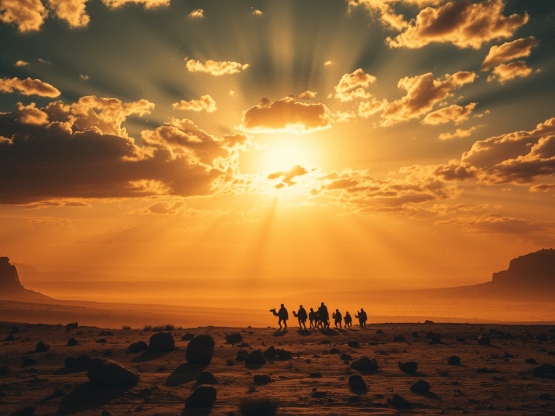
The wilderness was not simply a geographical location for Israel; it was a crucible of transformation. Stripped of the comforts of Egypt, the Israelites faced hunger, thirst, and uncertainty. In this barren landscape, God provided manna, water from rocks, and guidance through a pillar of cloud and fire. The wilderness, though harsh, became a place where Israel learned dependence on God.
For Christians, seasons of wilderness may feel like times of spiritual dryness or confusion. Yet, these moments can also be opportunities for deepening trust in God. Just as Israel was led by divine provision, believers today can find assurance that God is present even in the most desolate spiritual landscapes.
Lessons in Patience and Obedience
Israel’s journey was marked by impatience, grumbling, and rebellion. Despite witnessing miracles, they often doubted God’s promises. Their story reminds us that the wilderness exposes the heart—it reveals fears, doubts, and the temptation to turn away from God.
For the Christian community, the wilderness is a call to patience and obedience. It teaches that faith is not always about instant answers or easy paths, but persistent trust in God’s character. The journey through uncertainty can refine believers, fostering humility and steadfastness.
Community in the Wilderness
The wilderness journey was not traveled alone; Israel wandered as a people. Their struggles, failures, and victories were communal. In times of hardship, they relied on one another and on the leadership of Moses, Aaron, and Joshua.
Similarly, Christians are called to journey together. The wilderness seasons are not meant to be endured in isolation. The church can learn to support, encourage, and pray for one another, recognizing that spiritual growth often happens in the context of community.
Hope for the Promised Land
Despite the trials, Israel’s wilderness journey was always moving toward a promise: the land God had prepared for them. The hope of Canaan gave meaning to their suffering and perseverance.
For Christians, the wilderness is not the final destination. It is a passage toward deeper intimacy with God and the fulfillment of His promises. Hope sustains believers through difficult seasons, reminding them of God’s faithfulness and the ultimate joy that awaits.
Conclusion
The story of Israel’s wandering in the wilderness offers profound lessons for the Christian community. It teaches that spiritual wilderness is not a sign of abandonment but an invitation to trust, grow, and journey together. By embracing the wilderness as a place of transformation, patience, and hope, Christians can discover new depths of faith and draw closer to the heart of God.
Minister A Francine Green
November 2025
 afrancinegreen.com