
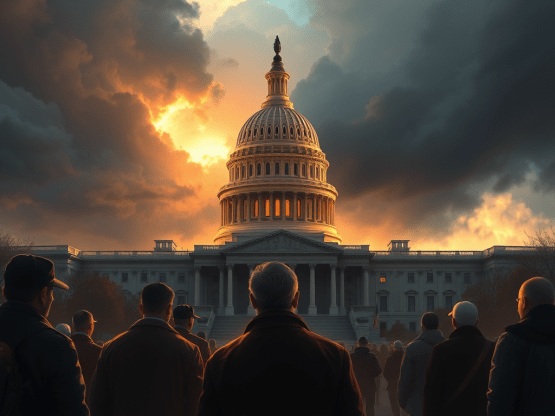
Understanding the Real-World Impact of Negative Political Conversations
Have you ever noticed how political discussions seem to be getting nastier these days? Whether it’s on TV, social media, or even among friends and family, conversations about politics are often filled with anger, insults, and blame. This kind of toxic political talk doesn’t just make us uncomfortable—it can actually undermine the foundations of our society.
What Is Toxic Political Talk?
Toxic political talk is when people discuss politics in a way that’s overly negative, rude, or hateful. Instead of focusing on ideas and solutions, these conversations often turn into shouting matches, name-calling, or making unfair generalizations about entire groups of people. It’s less about healthy debate and more about winning an argument or putting others down.
Why Is It a Problem?
At first, toxic talk might seem like just words. But over time, it has serious consequences:
· Divides Communities: When people are constantly arguing and blaming each other, it becomes harder to work together and trust one another.
· Makes Us Less Willing to Listen: If conversations are only about attacking others, people stop listening and learning from different viewpoints.
· Weakens Democracy: Democracy depends on respectful discussion, compromise, and participation. Toxic talk drives people away from voting or getting involved.
· Creates Fear and Mistrust: When political talk is full of threats or conspiracies, it makes people feel unsafe and suspicious of their neighbors.
How Does It Affect Everyday Life?
When toxic political talk becomes normal, it can spill over into our daily lives. Friends and family might avoid talking to each other. People may make big decisions based on fear instead of facts. It can even affect workplaces, schools, and communities by making cooperation harder and increasing stress.
What Can We Do About It?
1. Practice Respect: Treat others with kindness, even when you disagree.
2. Focus on Issues, Not Personal Attacks: Talk about ideas and solutions, not just about who’s right or wrong.
3. Listen and Learn: Try to understand where others are coming from, and be open to new perspectives.
4. Encourage Positive Conversations: Support media, leaders, and friends who promote respectful debate.
Our society is built on shared values like respect, fairness, and cooperation. Toxic political talk threatens these foundations. By choosing to have healthier, more positive conversations, we can help strengthen our communities and our democracy.
Minister A Francine Green
December 2025
 afrancinegreen.com