
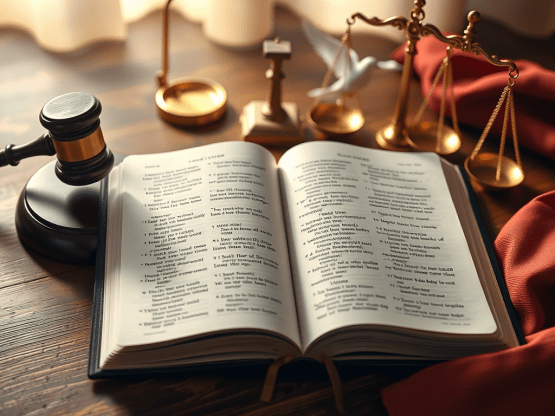
Exploring the Enduring Call for Integrity, Equity, and the Pursuit of Righteousness
Few biblical phrases carry as much weight and clarity as “Justice, justice you shall pursue” (Deuteronomy 16:20). This simple yet profound command, spoken thousands of years ago, continues to inspire and challenge us to this day. It calls out not just for justice in our goals, but in our daily actions, our institutions, and our hearts.
Understanding the Call: Justice in the Torah and Jewish Tradition
The Torah, at its core, is deeply concerned with justice. In Jewish law, this verse is a cornerstone, reminding judges and leaders that their work must always be guided by fairness, impartiality, and righteousness. The phrase is repeated—“justice, justice”—not because the ancient writers liked a poetic flourish, but to emphasize the absolute importance of both the destination and the journey. The methods we use to achieve justice must themselves be just.
This principle found a modern champion in Supreme Court Justice Ruth Bader Ginsburg. She kept this very phrase on her wall as a daily reminder that integrity and fairness must guide every decision. For Ginsburg, and for so many who seek justice, the command is not abstract—it is a living, breathing ethic.
Justice in Practice: Integrity, Fairness, and Protecting the Vulnerable
Justice in the biblical sense goes far beyond the courtroom. It’s about how we treat people, especially those on the margins—strangers, orphans, widows, and anyone at risk of being overlooked or mistreated. The Torah warns repeatedly against accepting bribes or showing partiality, reminding us that even the smallest compromise can undermine the fairness of the entire system. True justice requires us to set aside personal interests and to ensure equity for everyone, especially the most vulnerable.
Integrity means doing what’s right even when no one is watching. It’s about refusing to “cut corners” or let convenience replace principle. Justice isn’t just about big decisions; it’s about the everyday choices that build up—or erode—trust in our communities.
The Administration of Justice: From Moses to Civil Governance
In ancient Israel, the administration of justice was a community effort. At first, Moses alone was responsible for settling disputes. But the system quickly proved overwhelming, and the need for a broader, more stable form of government became clear. Judges were appointed in every town, responsible for upholding these high standards of fairness and impartiality. The transition from charismatic leadership to an organized, permanent system was a recognition that justice must be woven into the fabric of society—not just dependent on one leader’s character.
Idolatry and the Corruption of Justice
Throughout the Torah, the dangers of idolatry—worshiping false gods or misplaced priorities—are linked with the corruption of justice. When we allow personal gain, power, or prejudice to dictate our actions, we risk turning away from the true spirit of justice. Corruption is not just about taking bribes; it’s about letting anything become more important than doing what is right. The pursuit of justice requires constant vigilance against these temptations.
Modern Parallels: Voting Rights and the Supreme Court
This ancient command has taken on renewed relevance in today’s debates about voting rights and representation. In recent years, the Supreme Court has rolled back key provisions of the Voting Rights Act—laws that were designed to ensure fairness and protect minority voters from discrimination. The weakening of these protections raises troubling questions about whether our society is still committed to the rigorous pursuit of justice, both in means and outcomes.
Louisiana v. Callais: Justice on Trial
One current example is the case of Louisiana v. Callais. At stake is whether minority communities in Louisiana will have fair representation and a meaningful voice in choosing their leaders. The outcome will affect not just one state, but the broader principle of whether our democratic processes are truly just—whether they serve everyone, or only those with power and influence.
Cases like this remind us that justice is not self-sustaining. It must be actively pursued, protected, and renewed in every generation. When laws meant to ensure equity are weakened or ignored, the risks of injustice, exclusion, and marginalization grow. The call for “justice, justice” is as urgent now as it was in the time of Moses.
Conclusion: The Enduring Relevance of Pursuing Justice with Integrity
“Justice, justice you shall pursue” is more than a phrase. It is a blueprint for building a fair society—one where the means matter as much as the ends, where integrity and equity are more than ideals, and where the vulnerable are not forgotten. Whether in ancient Israel, the chambers of Justice Ginsburg, or today’s courtrooms and polling places, the pursuit of justice remains a sacred trust. Our challenge is to answer that call every day, with courage, humility, and unwavering commitment to what is right.
Minister A Francine Green
December 2025
 afrancinegreen.com