
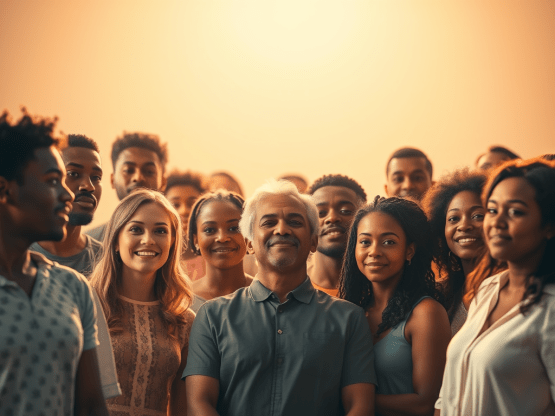
How Perception, Privilege, and Social Change Intersect—And What We Can Do About It
Introduction: Why Racial Resentment Matters Today
Racial resentment isn’t just a buzzword. It’s a real feeling that shapes how many people see and react to the world around them. With our society changing rapidly, conversations about race, privilege, and fairness are everywhere: in our homes, schools, workplaces, and online. But what exactly is racial resentment, and why does it matter so much in today’s world? Let’s explore this together in simple, honest terms.
Understanding the Roots: Privilege, Status, and Perceived Fairness
At its core, racial resentment grows from a mix of emotions. These include fear, insecurity, and sometimes anger. These emotions can arise when people feel their place in the world is threatened. Often, this feeling is tied to privilege, even if folks don’t always recognize it. Privilege doesn’t mean someone’s life is easy. Yet, it does mean they have certain advantages. These advantages are because of their background, skin color, or the way society sees them.
When social changes happen, some people worry these shifts will take something away from them. Efforts to make workplaces more diverse or to tackle historical injustices can trigger this fear. They worry about losing status, opportunity, or a sense of belonging. This fear can grow and turn into resentment. It happens if it feels like fairness is slipping away, even if that’s not really the case.
The Role of Perception: Understanding Social Change
Perception is powerful. The way we see the world shapes our beliefs and actions. When it comes to race and social change, misunderstandings are common. Some see this as “reverse discrimination” when programs aim to help underrepresented groups. Others believe that people are getting unfair advantages. In reality, these efforts are often about leveling the playing field—not tipping it in anyone’s favor.
If people don’t have the full story or haven’t walked in someone else’s shoes, it’s easy to jump to conclusions. These perceptions—sometimes based on rumors, half-truths, or personal experiences—can feed resentment and make it harder for communities to come together.
Myths and Misconceptions: How False Narratives Fuel Resentment
Racial resentment often grows in the shadows of myths and misconceptions. You’ve probably heard some statements like these before. “Anyone can succeed if they just work hard.” Or “Talking about race just divides us more.” While hard work is important, not everyone starts from the same place. And ignoring problems doesn’t make them go away—it can actually make them worse.
False stories about who is “deserving” and who is “taking advantage” can create deep divides. These stories don’t just pop up out of nowhere—they’re often passed down through families, communities, or the media. Over time, they become “common sense,” even if they’re not true.
A Reflection: The Power of Empathy, Education, and Dialogue
So, what can we do about racial resentment? The answer isn’t easy, but it starts with three things: empathy, education, and honest conversation.
· Empathy means trying to understand what others are going through, even if their experiences are different from our own. It’s about listening—not just waiting to talk.
· Education helps us see the bigger picture. Learning about history can open our eyes to why some people face more obstacles than others. Studying other cultures gives us insights into diverse experiences. Understanding how society works highlights disparities.
· Dialogue is about having real, respectful conversations. It’s OK to disagree or feel uncomfortable. What matters is being open to learning and growing together.
These steps don’t erase resentment overnight, but they help us move ahead. When we make the effort to see one another’s humanity, it becomes harder to cling to old stereotypes or resentments.
Conclusion: Building a Shared Vision for an Inclusive Future
Racial resentment isn’t something we’re born with. It’s something we learn from our surroundings. We also learn it from our experiences and sometimes, from not having the whole story. But just as resentment is learned, so too can empathy and understanding be learned. We can build a more inclusive and fair future. We do this by questioning the myths we’ve been told. We open our hearts to others’ experiences. We stay committed to fairness for everyone.
It’s not always easy to talk about these issues, but that’s exactly why it’s so important. By focusing on empathy, education, and honest conversation, we can move beyond resentment. Together, we can create a society where everyone has the chance to thrive.
Minister A Francine Green
December 2025
 afrancinegreen.com