
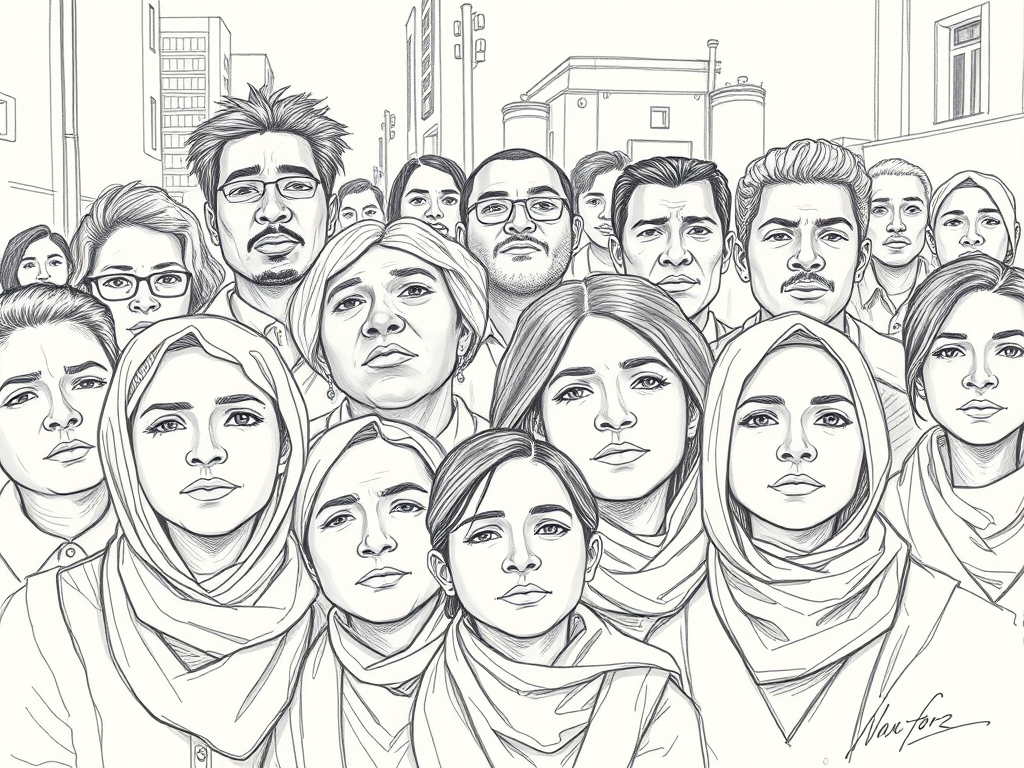
This article was first drafted in July 2025 and is being published now, following thoughtful consideration of the current immigration issues.
A Message of Compassion, Justice, and Love
“For I was hungry and you gave me food, I was thirsty and you gave me drink, I was a stranger and you welcomed me,” (Matt. 25:25)
The Bible offers clear and profound guidance. It guides us on how to treat others, especially those who are new to our communities or countries. Through its verses, it emphasizes the importance of compassion, fairness, and love for all people, including immigrants, refugees, and strangers. This message calls us to recognize the inherent dignity and worth of every individual. It affirms that they are created in God’s image. Let’s break it down in a straightforward way.
Justice and Compassion: A Divine Command
The Bible often reminds believers to treat foreigners just as they would their own neighbors or fellow citizens. It encourages us to be kind, fair, and respectful, drawing upon the Israelites’ own history. In their past, they knew what it was like to live as foreigners in Egypt, facing oppression and hardship. This shared human experience laid the groundwork for the Biblical teaching. The lesson is that no one should ever suffer because of their foreign status.
God’s Special Care for Strangers
Throughout its pages, The Bible portrays God as a protector of those who are vulnerable, strangers included. God hears the cries of the oppressed. He calls upon His people to be attentive to those in need. By extending kindness to strangers, we are participating in God’s care for humanity. We fulfill a calling to make the world a place of safety and compassion.
What Does The Bible Say?
Explicit Instructions
There are specific verses that directly address this topic. For instance:
· Exodus 23:9: “Do not oppress a foreigner. You yourselves know how it feels to be foreigners because you were foreigners in Egypt.”
· Leviticus 19:33-34: “When a foreigner resides among you in your land, do not mistreat them. The foreigner residing among you must be treated as your native-born. Love them as yourself, for you were foreigners in Egypt. I am the Lord your God.”
These verses leave little room for doubt. Treat others with the same respect, care, and fairness. This is what we’d want for ourselves. It’s not just a suggestion—it’s a divine instruction.
Welcoming Strangers: A Testament to Faith
The New Testament underscores this idea further. In Matthew 25:31-46, Jesus speaks of the final judgment. The way we treat others, including strangers, will reflect our faith and relationship with Him. Welcoming strangers, feeding the hungry, and clothing the needy are seen as acts performed directly for Christ. It’s a powerful reminder that our actions toward others carry eternal significance.
No Distinctions Between Different Foreigners
One of the most striking aspects of The Bible’s teachings is its inclusivity. It doesn’t make distinctions between types of foreigners. Whether someone is seeking refuge, they are to be treated with dignity and kindness. A person looking for work deserves the same treatment. Even those escaping religious persecution should receive compassion and respect. This message of equality reinforces the idea that all human beings deserve compassion, regardless of their circumstances.
Resident Aliens vs. Visitors
Certain interpretations of the Old Testament point to differences in rights and responsibilities. These differences exist between “ger” (resident aliens) and “nekhar” (foreigners passing through). Nonetheless, the overarching message remains the same: compassion and justice are universal. Whether someone is staying long-term or temporarily, they are still deserving of fair treatment and respect.
What Can We Learn?
The Bible’s call to care for foreigners is as relevant today as it was thousands of years ago. In a world where immigration and displacement affect millions, these teachings remind us to look beyond borders and labels. They urge us to see the shared humanity in everyone and to act with love and fairness.
We welcome new people and stand up for what’s right. When we treat everyone with respect, we’re living out what the Bible teaches at its core. It’s more than just following rules—it’s about showing God’s love through what we do, making the world friendlier and more caring for all.
A Reflection for Today
These teachings challenge us to think about how we interact with those who are new to our communities. Are we showing kindness? Are we advocating for fairness? Are we ensuring that everyone feels welcomed and valued? These questions prompt us to consider our actions. We should make sure our policies reflect the kindness and compassion taught in the Bible.
In short, The Bible’s message is clear: treat foreigners with love, fairness, and respect. Recognize their dignity, care for their needs, and welcome them as you would Christ himself. It’s a timeless calling. This calling speaks to the heart of what it means to live a life of faith and compassion. Instead of deportation for families who have created lives here, mercy should prevail.
Minister A. Francine Green
February 2026
 afrancinegreen.com