
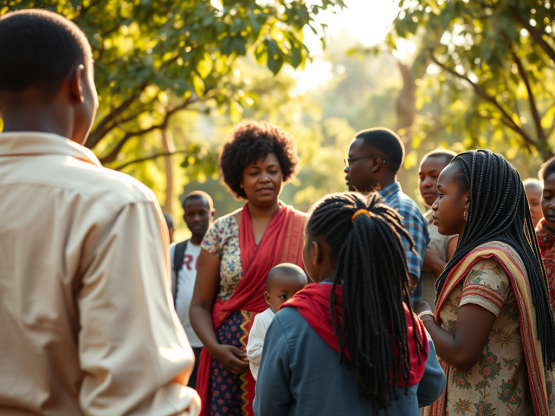
Understanding God’s Plan for Humanity and Our Role
The message of faith and righteousness is not just a call to religious practice; it’s a matter of life and death, shaping where people will spend eternity. For believers, it is essential to realize the profound responsibility we hold in sharing this message and living it out. As followers of God’s Word, we are called to be voices of truth, standing firm against societal trends that go against His will.
One critical verse, Romans 12:2TPT, urges us: “Stop imitating the ideals and opinions of the culture around you, but be inwardly transformed by the Holy Spirit through a total reformation of how you think.” This transformation allows us to discern God’s will and live lives that are both fulfilling and pleasing in His eyes.
Our Calling as Prophetic Voices
As a community of believers committed to God’s Word, we have a unique role in today’s world. Our responsibility is not to conform to the dominant culture but to cry out as prophetic voices, addressing injustices and sharing God’s redemptive purpose for humanity. This means standing for righteousness and justice even when it challenges the status quo.
Prophetic voices throughout history, like those in the Bible, emphasized that the primary way of serving God is through love, justice, and righteousness. For example, Amos and the other prophets often stressed that mere rituals and offerings cannot replace moral behavior. Abraham Heschel aptly stated, “Men cannot drown the cries of the oppressed with the noise of hymns, nor buy off the Lord with increased offerings.” This sentiment challenges us to ensure that our faith manifests in action, particularly in how we treat others.
Understanding Righteousness and Justice
The Bible provides profound insights into righteousness, often translated from the Hebrew word “tsedakah,” and justice, derived from “mishpat.” Righteousness (tsedakah) refers to living morally upright lives, while justice (mishpat) involves treating people equitably and fairly, regardless of their social status or background. Justice also means giving individuals their due—whether punishment, protection, or care.
Scripture underscores the importance of these principles:
· “The Lord loves righteousness and justice; the earth is full of His unfailing love” (Psalm 33:4-5).
· “For the word of the Lord is right and true; He is faithful in all He does” (Psalm 33:4).
God, as the ultimate source of right and justice, shows no partiality in judging. His standards are unwavering, and as His people, we are called to reflect these standards in our lives and actions.
Compassion for the Vulnerable
One of the most poignant examples of living out righteousness is found in how we treat vulnerable populations, such as orphans, widows, migrants, and refugees. The Bible emphasizes the importance of caring for those in distress and protecting the rights of the marginalized:
· “Religion that God our Father accepts as pure and faultless is this: to look after orphans and widows in their distress and to keep oneself from being polluted by the world” (James 1:27).
· “Children are a heritage from the Lord, offspring a reward from him” (Psalm 127:3).
Today, the plight of migrant children detained in custody due to immigration policies serves as a stark reminder of our call to justice and equity. Experts warn that long-term detention can lead to deep trauma, especially for unaccompanied minors separated from their families. These children, like all human beings, are created in God’s image and deserve compassion and fair treatment.
Seeking God’s Wisdom in Complex Issues
Addressing complex societal issues, such as immigration and detainment policies, requires wisdom beyond human understanding. Proverbs 19:21 reminds us, “Many are the plans in a person’s heart, but it is the Lord’s purpose that prevails.” As believers, we are urged to pray for our leaders and decision-makers, asking that God grants them discernment and wisdom.
While solutions may not always be clear, we must advocate for policies that align with God’s principles of equity, justice, and compassion. Scriptures such as Leviticus 19:33-34 and Matthew 25:35-40 provide guidance on treating strangers and foreigners, reminding us of our responsibility to extend kindness and care to those in need.
A Call to Action
As followers of Christ, we are called to stand firm in our faith while showing grace to others, particularly those most vulnerable. This involves:
· Holding leaders accountable for decisions that impact lives.
· Praying for wisdom and guidance in addressing societal challenges.
· Living out the principles of righteousness and justice in our daily lives.
Proverbs 11:14 emphasizes, “For lack of guidance a nation falls, but victory is won through many advisers.” By seeking God’s wisdom and supporting one another, we can contribute to a society that reflects His will and purpose.
Conclusion
Faith is not just about worship or rituals; it’s about how we live, treat others, and engage with the world around us. As prophetic voices in our communities, we are called to uphold righteousness and justice, advocating for equity and compassion in all areas of life. Let us stand firm in our faith, trusting in God’s plan and seeking His wisdom as we navigate the complexities of today’s world. Together, we can be instruments of His love and redemption, bringing hope and restoration to those in need.
Minister A Francine Green, March 2026
 afrancinegreen.com