
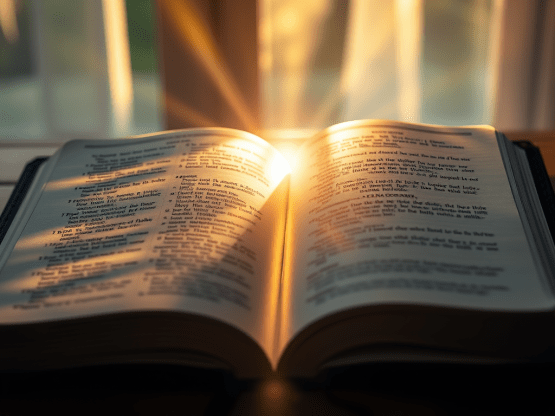
An Exploration of What It Means to “See” Faith in Action
Introduction
The idea of “evidence of faith” often comes up in conversations about religion, especially in Christianity. But what does it really mean? In simple terms, it’s about how our belief in something greater than ourselves—something we can’t always see—shows up in the way we live our lives.
Faith: Assurance and Certainty
In Christian teaching, faith is described as “the assurance of things hoped for, the conviction of things not seen” (Hebrews 11:1). This means that faith is having a strong, confident hope in something we can’t physically touch or see. It’s not just wishful thinking—it’s like having a guarantee deep inside that what God promises is real, even if we can’t see it yet.
For example, think of hope as looking forward to something good—like a child waiting for a birthday present. The assurance that the present is coming, even before you see it, is similar to the kind of confidence faith brings about God’s promises.
Faith Shown Through Actions
Some people think that faith is only a private belief. However, many Christians believe that real faith naturally leads to action. This means that if someone truly trusts God, it will show up in how they treat others, make decisions, and face challenges.
· Acts of Kindness: Helping those in need, giving to the poor, or volunteering time can be seen as signs of faith in action.
· Sharing Beliefs: Telling others about Jesus or discussing spiritual beliefs is another way people show their faith.
· Teaching and Learning: Studying the Bible and sharing its lessons with others are ways to grow and demonstrate faith.
· Everyday Life: Approaching work or responsibilities as if doing them for God, showing honesty, patience, and love, are all practical signs.
· Personal Change: Turning away from harmful habits or past mistakes shows a transformation that many see as evidence of genuine faith.
Is Faith Blind?
A common question is: “Is faith just believing without any proof?” The answer is a bit more nuanced. While faith does involve trusting in things we can’t see, it isn’t always without evidence. Many Christians look to historical events, like the life and resurrection of Jesus, as reasons for their faith. Others find that their personal experiences, or the trustworthiness of God shown in the Bible, give them reasons to believe.
So, faith isn’t necessarily about ignoring evidence. Instead, it’s about believing in something even when we don’t have all the answers or complete physical proof. It’s a mix of trust, hope, and sometimes, the willingness to wait for things we can’t yet see.
Examples from the Past
Throughout history, the Bible shares stories of people who lived by faith—like Abraham, Moses, and many others. They often acted on God’s promises even when they couldn’t see the outcome. Their lives are shared as examples of how faith can lead to courage, patience, and remarkable acts of service.
Conclusion
In short, the evidence of faith can be seen in both what we believe and how we live. It’s the quiet assurance inside us that God’s promises are true, and the visible actions that flow from that trust. Whether it’s through acts of kindness, sharing our beliefs, or making changes in our lives, faith is often made real—not just by words, but by the way it shapes our everyday choice
Minister A Francine Green, March 2026
 afrancinegreen.com