
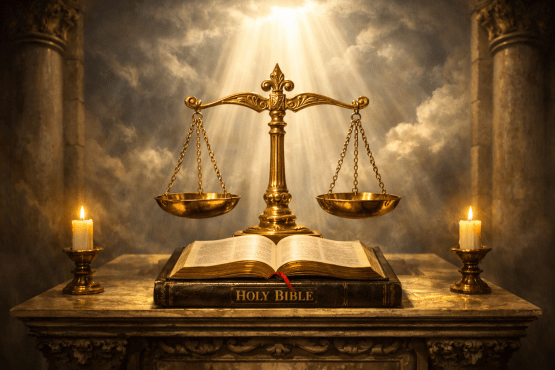
Understanding Biblical Justice Through Jesus’ Example
Introduction: God’s Character and Justice
When we think about God, words like loving, holy, and powerful often come to mind. But did you know that justice is just as much a part of who He is? God isn’t just loving and holy—He’s also perfectly just. That means He always acts fairly, upholds what is right, and never makes mistakes in judgment. In a world where justice can sometimes feel out of reach, it’s encouraging to know that God sets the ultimate standard for what is just and fair.
God Sets the Standard for Justice
Justice isn’t simply a human invention or a passing trend. In fact, the Bible teaches that justice comes directly from God’s character. He defines what is fair, right, and good. In Deuteronomy 32:4, we read, “He is the Rock, his works are perfect, and all his ways are just. A faithful God who does no wrong, upright and just is he.” God doesn’t just follow the rules—He is the rule. He is the measure by which all justice is determined.
Biblical Justice Explained
As followers of Christ, understanding justice is pretty straightforward: God Himself gives us our sense of what’s right and fair. He’s loving, kind, and merciful—but He’s also righteous, holy, and just. The Bible tells us, “The Rock, His work is perfect, for all his ways are justice. A God of faithfulness and without iniquity, just and upright is he” (Deuteronomy 32:4). Another verse says, “Righteousness and justice are the foundation of your throne; steadfast love and faithfulness go before you” (Psalm 89:14).
Simply put, God is always just—it’s part of who He is. He can’t be unjust, and He’s the one who defines what justice really means. We often hear that God is loving and holy, but sometimes overlook that He’s also the standard for justice. To pursue biblical justice, we aim to fix what’s wrong according to God’s way, and we use Scripture as our guide to know what “right” truly is.
Jesus is the model for doing what’s right. He lived a flawless life, gave Himself for others, and came back to life to fix what was broken. Because of what Jesus did on the Cross, we can be forgiven and have a good relationship with God. In the New Testament, Jesus also showed us how to care for people who are often ignored, like the outcasts. He sought justice and helped those in need, both physically and spiritually. For example, He healed the leper in Matthew 8 and showed kindness to the woman caught in adultery in John 8.
When you look at how Jesus lived and what the Bible teaches, it’s clear that people who follow Him are meant to do something about injustice. This isn’t just about talking—it’s about taking real action. We’re supposed to stand up against wrongdoing, help those who are struggling, and fix what’s broken wherever we can. This idea isn’t just a modern trend or something new; it’s been part of God’s plan all along. Both the Old and New Testaments give us clear instructions to look out for those who can’t help themselves, like the weak, the fatherless, and widows, and to work toward fairness and kindness for everyone.
For example, Psalm 82:3 tells us to make sure the weak and fatherless are treated fairly, and Isaiah 1:17 says we should learn to do good, seek justice, and help those who are oppressed. Micah 6:8 makes it simple by saying God wants us to do justice, love kindness, and walk humbly. Jesus Himself pointed out in Luke 11:42 that it’s important not to forget about justice and loving God, even if we’re good at following other religious rules. So, in everyday terms, following Jesus means actively working to make things right, especially for people who need it most.
Living out biblical justice starts with recognizing God as the source and standard, but it doesn’t end there. It moves us to respond compassionately and courageously in our daily lives, whether that means speaking up for someone being treated unfairly, sharing resources with those in need, or forgiving others as Jesus forgave us. By letting God’s justice shape our actions, we reflect His heart to the world and become part of His ongoing work to restore what’s broken. Ultimately, striving for justice is not just a duty, but an invitation to partner with God in bringing hope, healing, and fairness to those around us.
When we commit ourselves to living out God’s justice, we find that it not only transforms our own lives, but also impacts those around us in meaningful ways. Every opportunity to act with fairness and compassion becomes a chance to share God’s love and demonstrate His values. Even small gestures—like offering encouragement, choosing honesty, or extending grace—can ripple outward and make a difference in our communities. As we seek to align our hearts and actions with God’s example, we become agents of restoration, carrying His justice into the world so others can experience the hope and wholeness He offers.
As we move forward, it’s important to remember that pursuing justice is not just an individual effort but also something we do together as a community. When believers unite to address injustice, support the vulnerable, and promote fairness, we amplify the impact of God’s justice in the world. Each act, whether big or small, serves as a reflection of God’s character and brings light to places of darkness. By encouraging one another and working alongside others, we create a culture that values justice, mercy, and humility—drawing people closer to the heart of God and His vision for a restored and equitable world.
In closing, God’s justice is not just a theological concept—it’s a call to action that shapes how we live and relate to others. As we follow Jesus’ example and embrace the teachings of Scripture, we become lights in a world that deeply needs fairness, compassion, and hope. May we continually seek God’s guidance, strive to do what is right, and encourage one another as we carry His justice forward, trusting that even our smallest efforts can help bring restoration and reflect His love to those around us.
Minister A Francine Green, April 2026
 afrancinegreen.com