
Embracing God’s Vision for a Unified Body of Believers
Diversity: A Beautiful, God-Given Gift
Diversity is one of the most remarkable gifts of creation. From the tapestry of languages spoken across the globe to the uniqueness of every culture and tradition, humanity reflects the richness of God’s design. The church, as God’s representative on earth, has a unique opportunity—and responsibility—to showcase how diversity can bring people together rather than divide them.
However, the world is no stranger to division. Racism, prejudice, and cultural misunderstandings have wreaked havoc on societies throughout history, and the church has not been immune. Yet, there is hope. The church is called to be different—to stand as a beacon of light, unity, and love in a fractured world.
A House of Prayer for All Nations
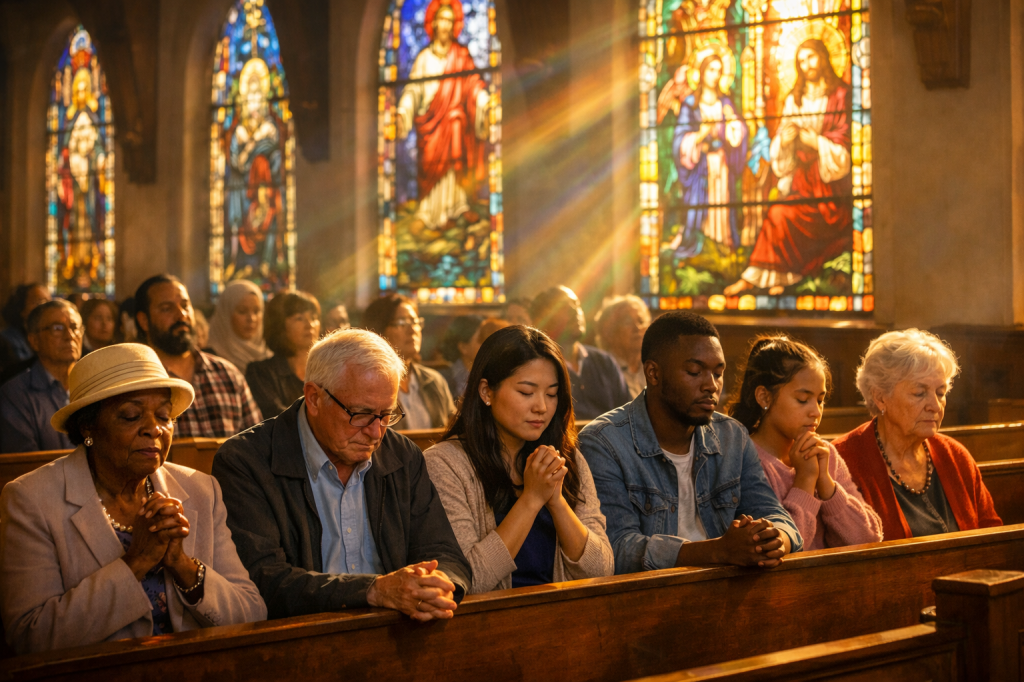
Jesus declared, “My house shall be called a house of prayer for all nations” (Mark 11:17). These words encapsulate the heart of what the church is meant to be: a place where every ethnic group, every culture, and every race is welcome. The term “nations” in this context encompasses all peoples, without exception. For the church to fulfill its divine purpose, it must embody this ideal, becoming a sanctuary where barriers are broken and love reigns supreme.
To achieve this vision, the church must dismantle walls of prejudice and fear. It must actively work toward creating an environment where every person feels valued and embraced, regardless of their background. The church, in its truest form, should mirror heaven—a place where every nation and tongue gathers in worship and unity.
Unity Beyond Differences
The beauty of the church lies in its ability to unite people from all walks of life. Whether differences stem from race, culture, language, or socio-economic status, they should never separate those who are part of the body of Christ. Instead, these differences are opportunities to learn, grow, and celebrate the multifaceted nature of God’s creation.
The Apostle Paul captured the essence of this unity in Galatians 3:27-28: “For all of you who were baptized into Christ have clothed yourselves with Christ. There is neither Jew nor Greek, there is neither slave nor free, there is neither male nor female; for you are all one in Christ Jesus.” In Christ, the labels that the world uses to divide us—race, gender, class—fade away. Before God, we are equal, united by His grace and love.
No Partiality in God’s Eyes
One of the most humbling and inspiring truths about God is His impartiality. He does not show favoritism. Whether someone is wealthy or impoverished, educated or uneducated, from one race or another, all stand on equal footing before Him. This divine impartiality is a cornerstone of the gospel message.
For the church to truly reflect God’s nature, it must also reject partiality. This means treating every individual with love, respect, and dignity, regardless of their status or background. It requires the church to confront and dismantle any prejudices within its own walls, choosing instead to see people through the eyes of Christ. Walking in the Spirit means embracing others as they are, as beloved children of God.
The Transformative Power of Worship
Worship is one of the most profound expressions of unity the church can offer. When people from diverse backgrounds come together to praise God, they create a living portrait of heaven on earth. In those moments, the differences that might otherwise divide fade away, replaced by a shared focus on the greatness of God.
Corporate worship sends a powerful message to the world: this is what unity looks like. It demonstrates that love is stronger than hate, and that acceptance triumphs over division. More importantly, it reveals the heart of God—a heart that longs for every person to know Him and be part of His eternal family.
A Challenge and a Privilege
While the vision of a united church is inspiring, it is not without its challenges. Just as the world grapples with racism, prejudice, and division, so too does the church. Yet, these challenges do not define the church; they are opportunities for growth, transformation, and greater alignment with God’s vision.
Overcoming these struggles requires intentionality. It means listening to those who have been hurt by prejudice, educating ourselves about the root causes of division, and actively working to build bridges instead of walls. Most importantly, it means seeking God’s guidance and relying on His Spirit to lead us in love and unity.
Living Out the Glory of Diversity
What does it mean for the church to embrace diversity in practical terms? It means creating spaces where everyone feels welcome and valued. It involves celebrating different cultures and traditions rather than fearing or ignoring them. It’s about recognizing the unique gifts and perspectives that every individual brings to the body of Christ.
The church should be a reflection of heaven, where people from every nation, tribe, and tongue come together to worship God. This is the glory of diversity—not merely tolerating differences but honoring and celebrating them as a beautiful part of God’s design. When the church lives out this vision, it serves as a powerful testimony to the world, showing a better way that heals divisions and fosters genuine community.
The Call to Be Different
In a world increasingly marked by racism and division, the church has a unique opportunity to stand out. It is called to be a light in the darkness, a place of hope and healing for all people. The church cannot achieve its destiny until it becomes the house of prayer for every nation, every race, and every culture that Jesus envisioned.
This calling is both a challenge and a privilege. By embracing diversity and living in unity, the church becomes a living demonstration of God’s love. It becomes a place where humanity’s deepest problems—like racism—find answers, and where people of all backgrounds can come together as one family.
Conclusion
Diversity is not something to fear—it is something to celebrate. The church has an extraordinary role in showing the world how beautiful it can be when people of all races, cultures, and languages unite in love. By rejecting prejudice, embracing worship, and living out God’s love, the church can truly reflect the glory of diversity. In doing so, it fulfills its ultimate purpose: to be a house of prayer for all nations, a beacon of hope, and a testament to the transformative power of God’s love.
Minister A Francine Green, April 2026
 afrancinegreen.com