
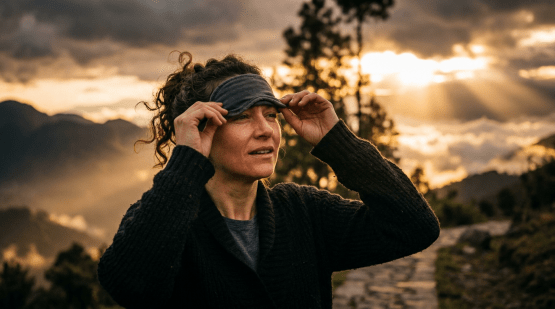
Have you ever noticed how easy it is to look the other way when faced with something uncomfortable or wrong? It’s human nature to avoid what feels unpleasant or overwhelming. But ignoring problems doesn’t make them go away—it only makes them grow.
Let’s break it down. The term “moral blindness” might sound complicated, but it really just means not recognizing or acknowledging right from wrong, either in yourself or in the world around you. Think of it as choosing to turn a blind eye to things you know deep down aren’t right. For example, pretending not to notice injustice or walking past someone in need without a second thought.
The Cambridge English Dictionary defines “turning a blind eye” as deliberately ignoring something you know is wrong. Similarly, “burying your head in the sand,” according to Macmillan Dictionary, means ignoring a problem, hoping it will simply disappear. Sound familiar? We’ve all been there. But here’s the thing: when we ignore moral issues—whether it’s poverty, inequality, or violence—we contribute to them by staying silent.
Moral blindness isn’t just about big societal issues; it can also be personal. It can be as simple as brushing off something you said or did that hurt someone else, or staying silent when you see someone being mistreated. Over time, this kind of blindness can make us desensitized to the suffering of others.
So, why does this matter? Because we have the power to make a difference. As humans, and especially as people of faith, it’s our responsibility to stand for what is good, fair, and kind. The Bible talks about this a lot. In 2 Corinthians 4:3-4, it explains how some people can’t see the light of truth because their minds are blinded. But it also encourages us to let our own light shine so others can see the goodness of God through our actions.
Spiritual blindness ties closely to moral blindness. It happens when someone is unable to see or understand the truth about God or moral issues. This could mean rejecting kindness, love, or justice because it doesn’t align with their worldview. However, the Bible reminds us that we are called to bring light into darkness, to act with compassion, and to pursue justice.
Does this mean we have to march in protests or write laws? Not necessarily. Making a difference starts small. Show kindness to someone in need. Speak up when you see something wrong. Treat others with love and respect, even when it’s hard. Micah 6:8 sums it up beautifully: “To act justly and to love mercy and to walk humbly with your God.”
Our world is filled with examples of moral blindness—violence, discrimination, and neglect for the vulnerable—but we don’t have to accept them as the status quo. Together, through small but meaningful actions, we can help open eyes, mend hearts, and bring hope to those around us.
So, the next time you’re tempted to look away or stay silent, ask yourself: “What can I do to bring light into this situation?” It could be as simple as offering a helping hand or starting a conversation. Remember, every small act of goodness can ripple outward and make the world a bit brighter.
Let’s commit to seeing and addressing the moral issues around us, not with anger or judgment, but with love and action. Together, we can help each other see more clearly and live in a way that makes a positive impact.
Blessings to you as you shine your light!
Minister A Francine Green, April 2026
 afrancinegreen.com